Skip to content
Deluxe Trips Egypt
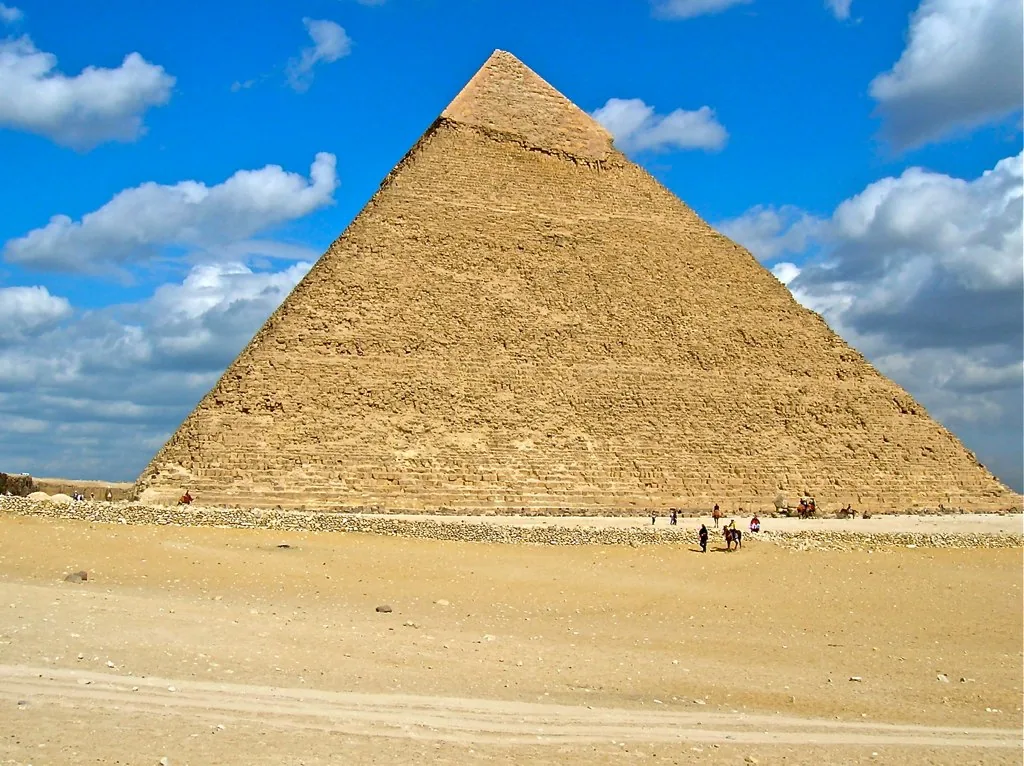
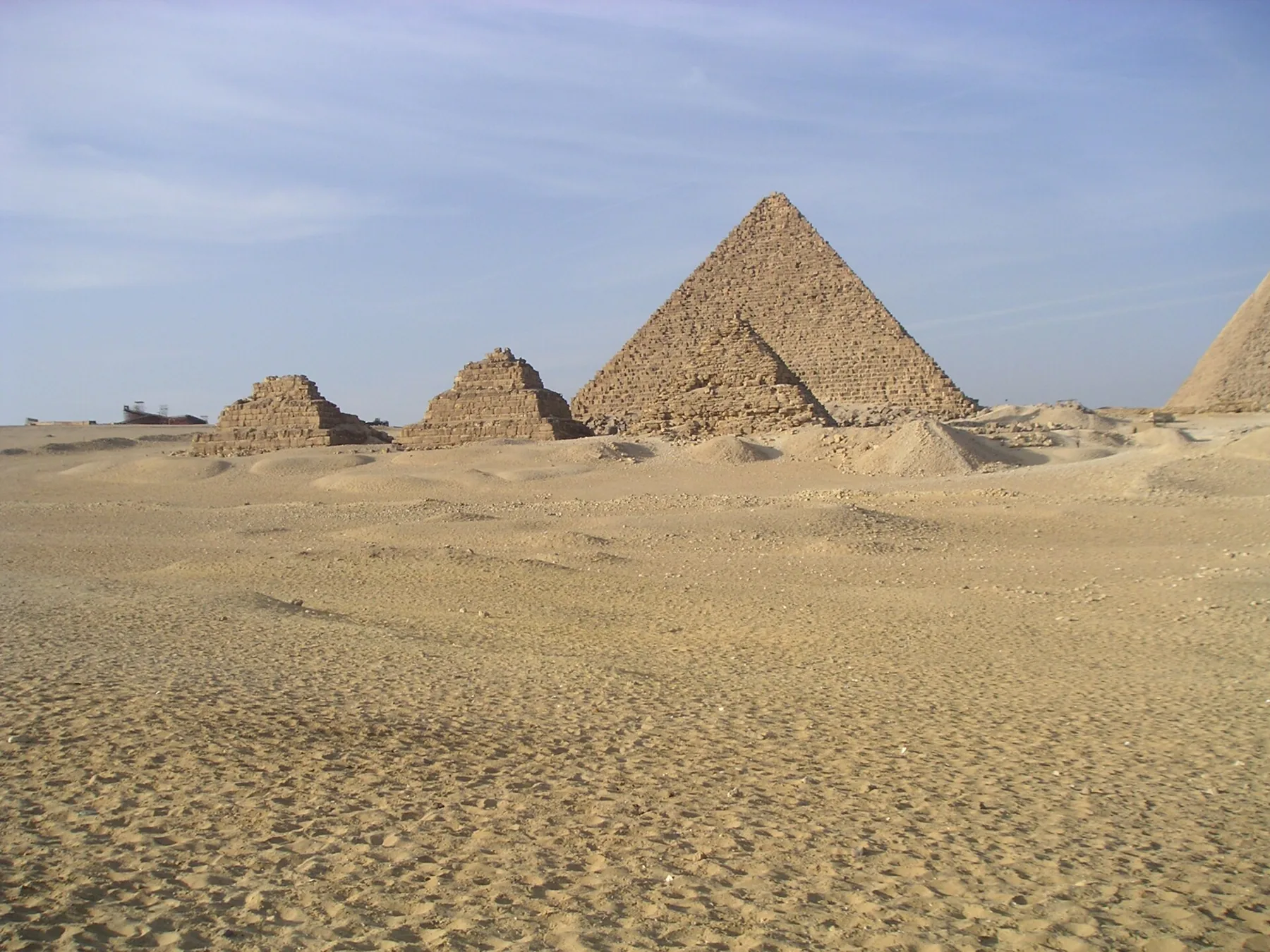
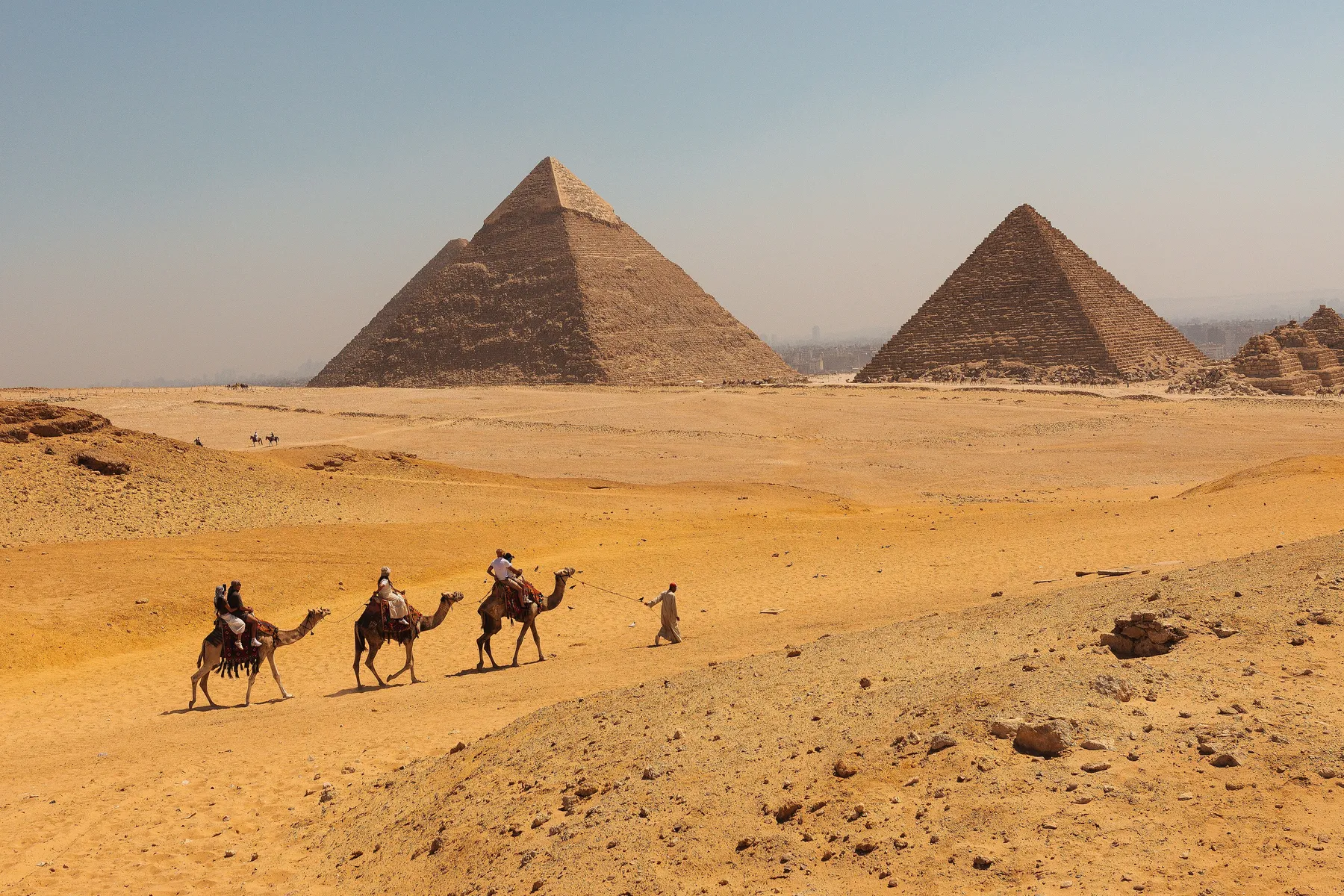
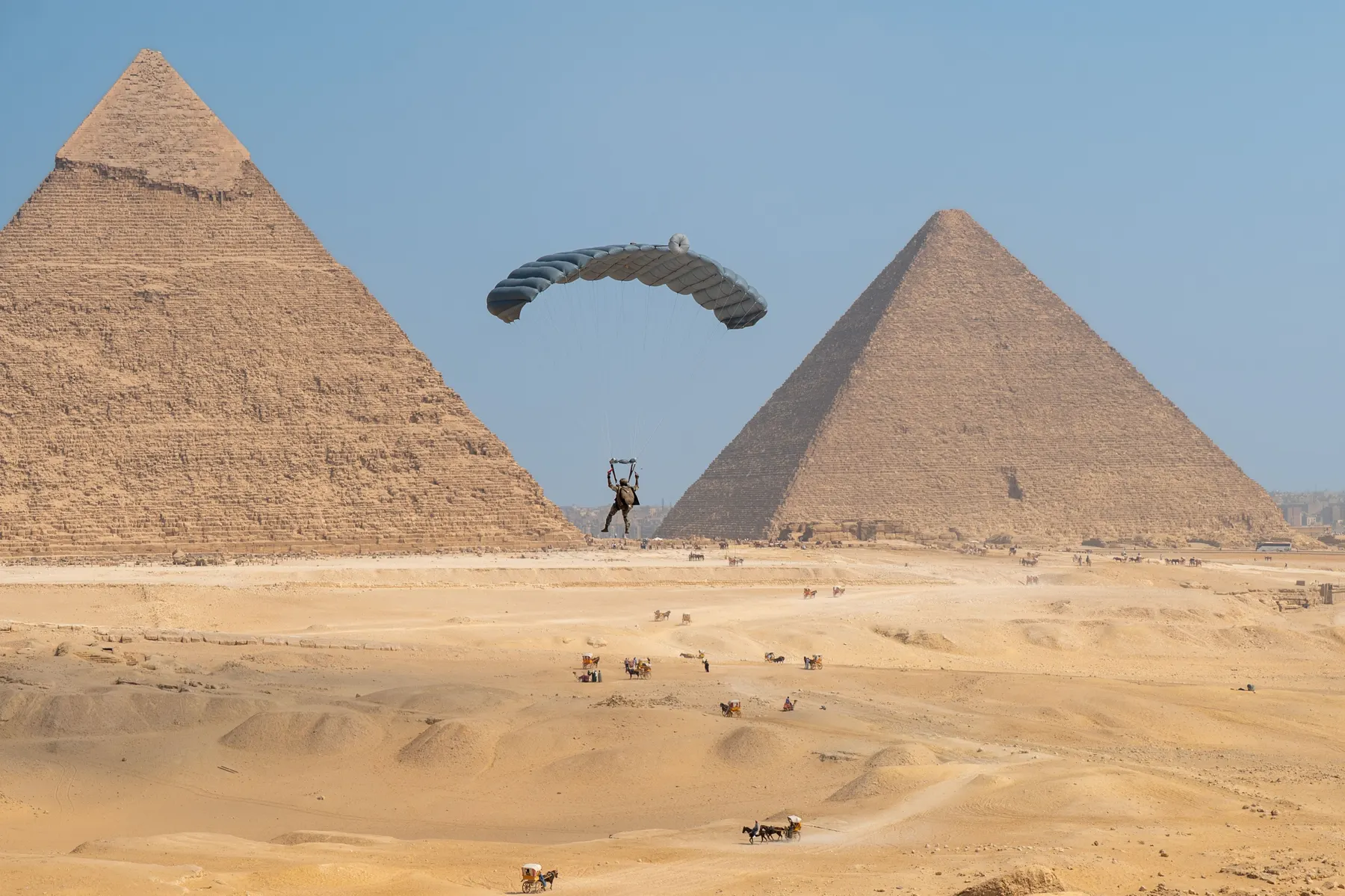
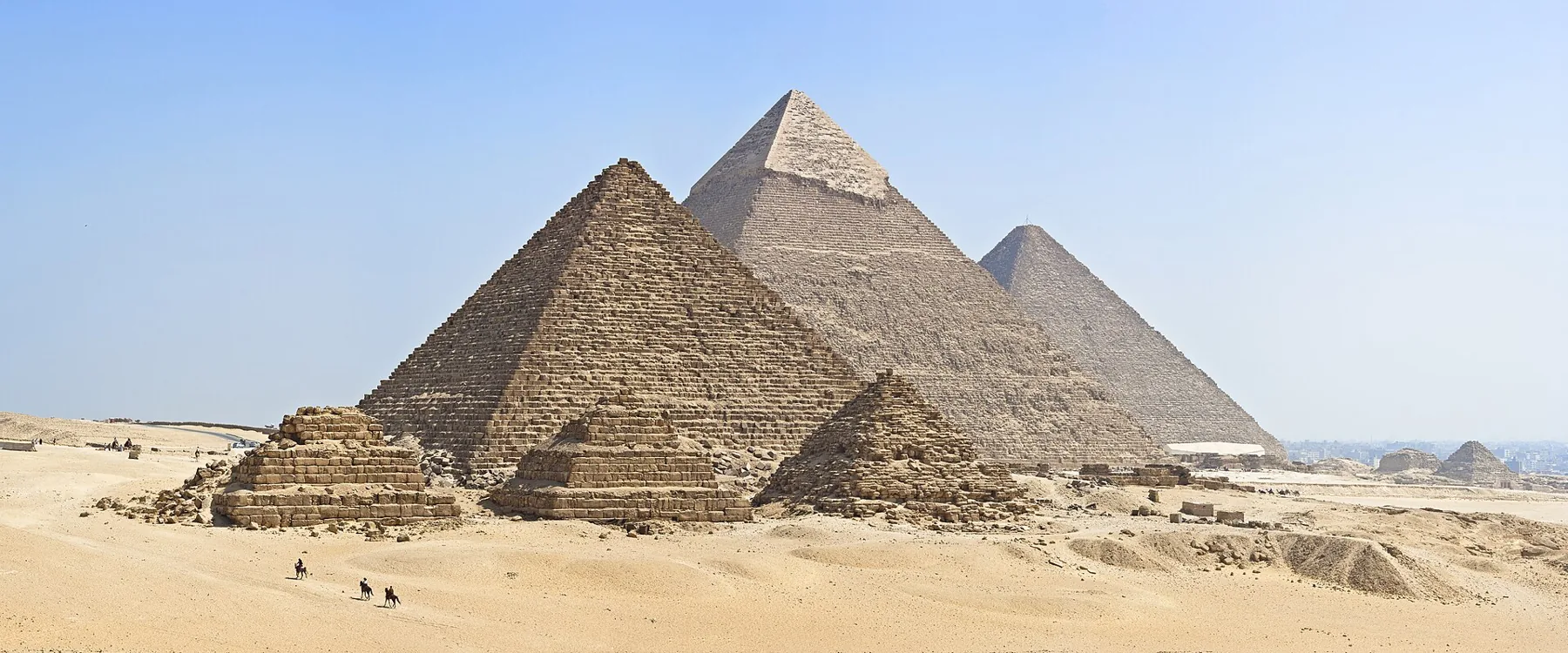
The three pyramids of Giza and the smaller queens' pyramids on the desert plateau.

Begin here · Where the Nile meets its delta

Cairo & Giza

Three cities layered across the river.

The Old Kingdom necropolises stand along the desert edge on the west bank; medieval Islamic and Coptic Cairo sit east of the Nile; the modern capital ties them together. Give each layer its own day and the city opens up.

Give it
3 nights recommended
Come for
Pyramids, the Sphinx and the Grand Egyptian Museum
Kindest months
October to April
Continue to
Luxor

The story here

Cairo & Giza, before you arrive.

Cairo

Cairo is where Egypt's later histories stand side by side: a Roman fortress, the church built on top of it, a medieval synagogue, a sultan's citadel and a nineteenth-century mosque. In our judgement it is also the best place to see what later Egypt made of the pyramids on its horizon.

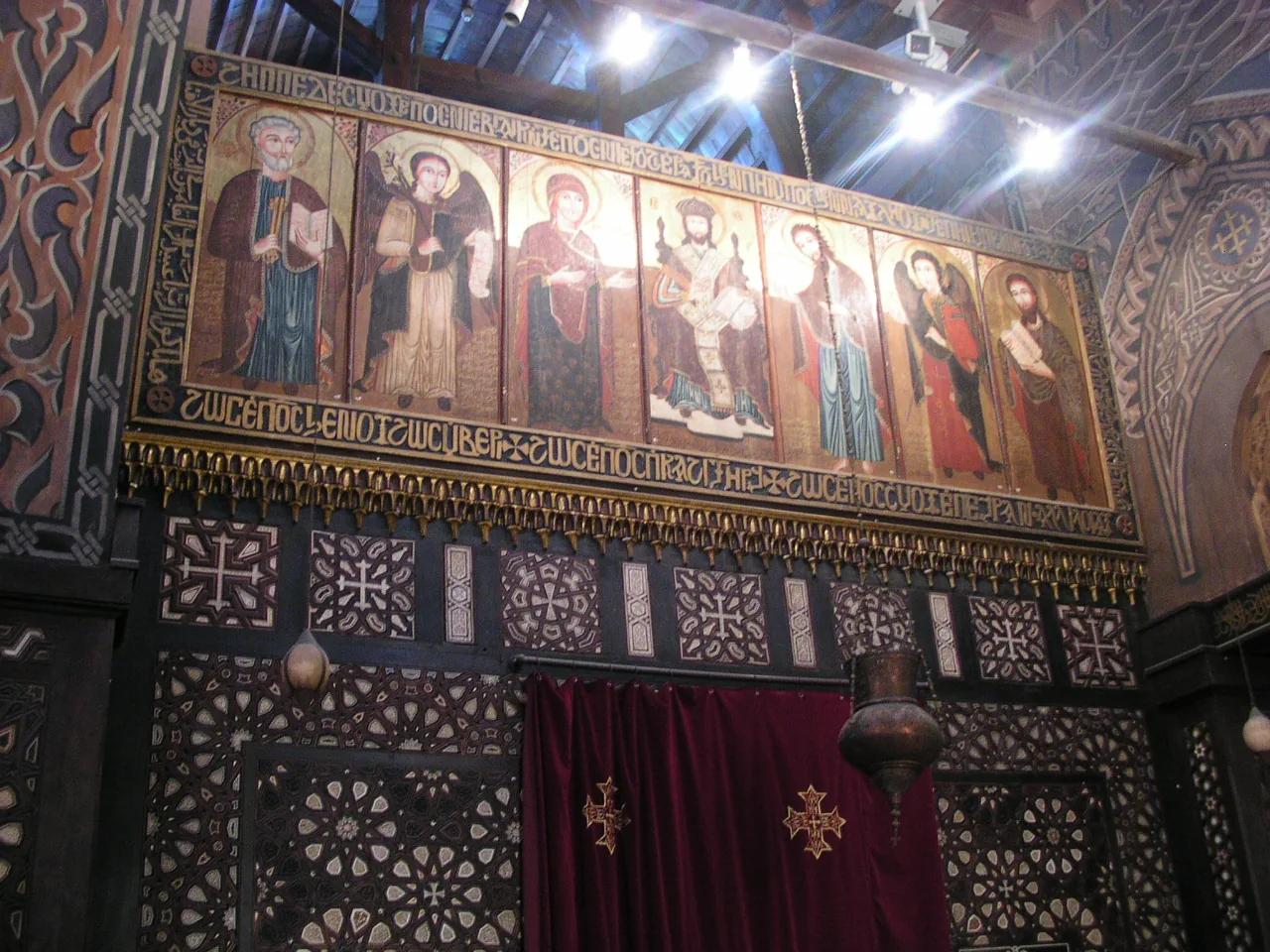
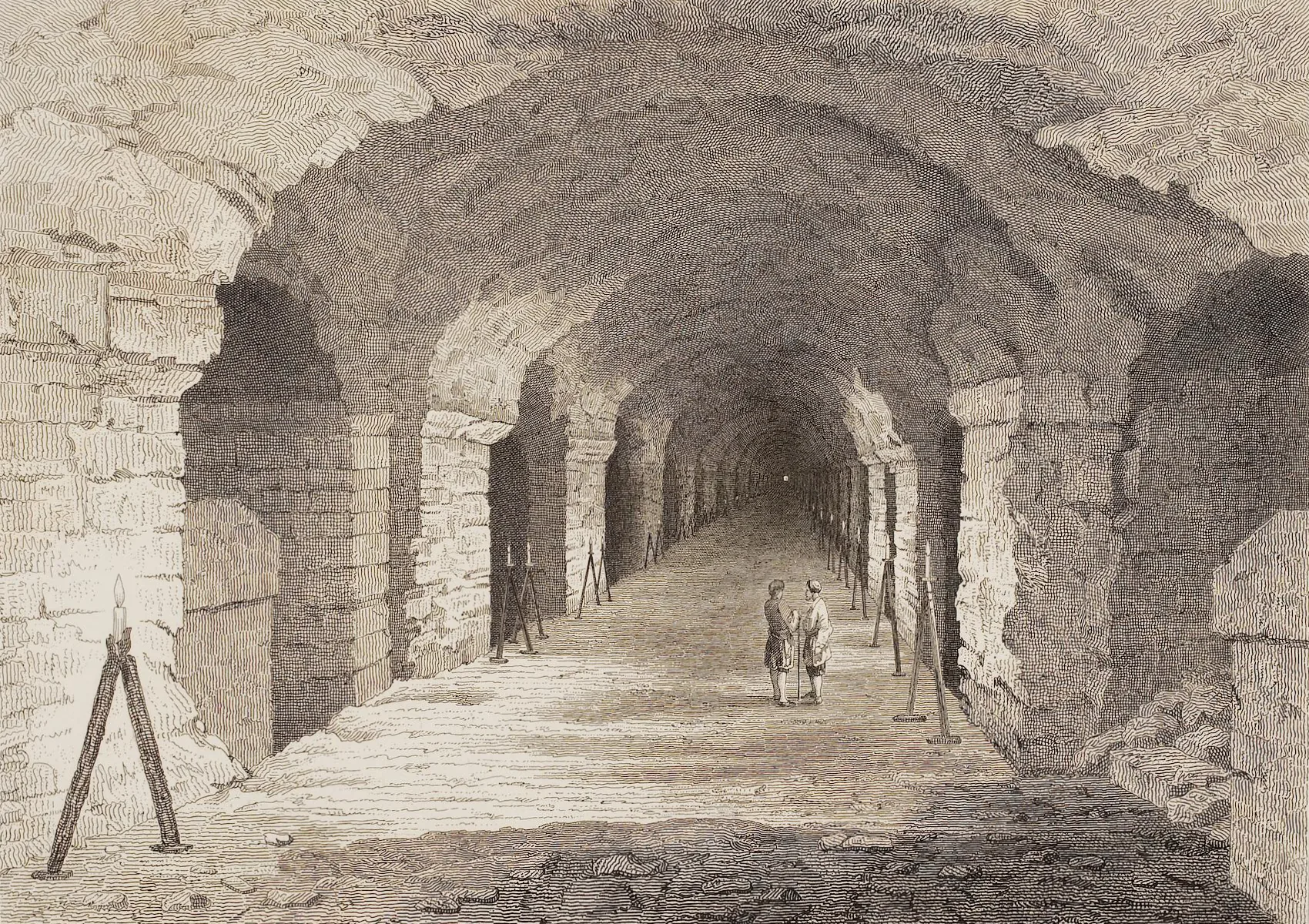
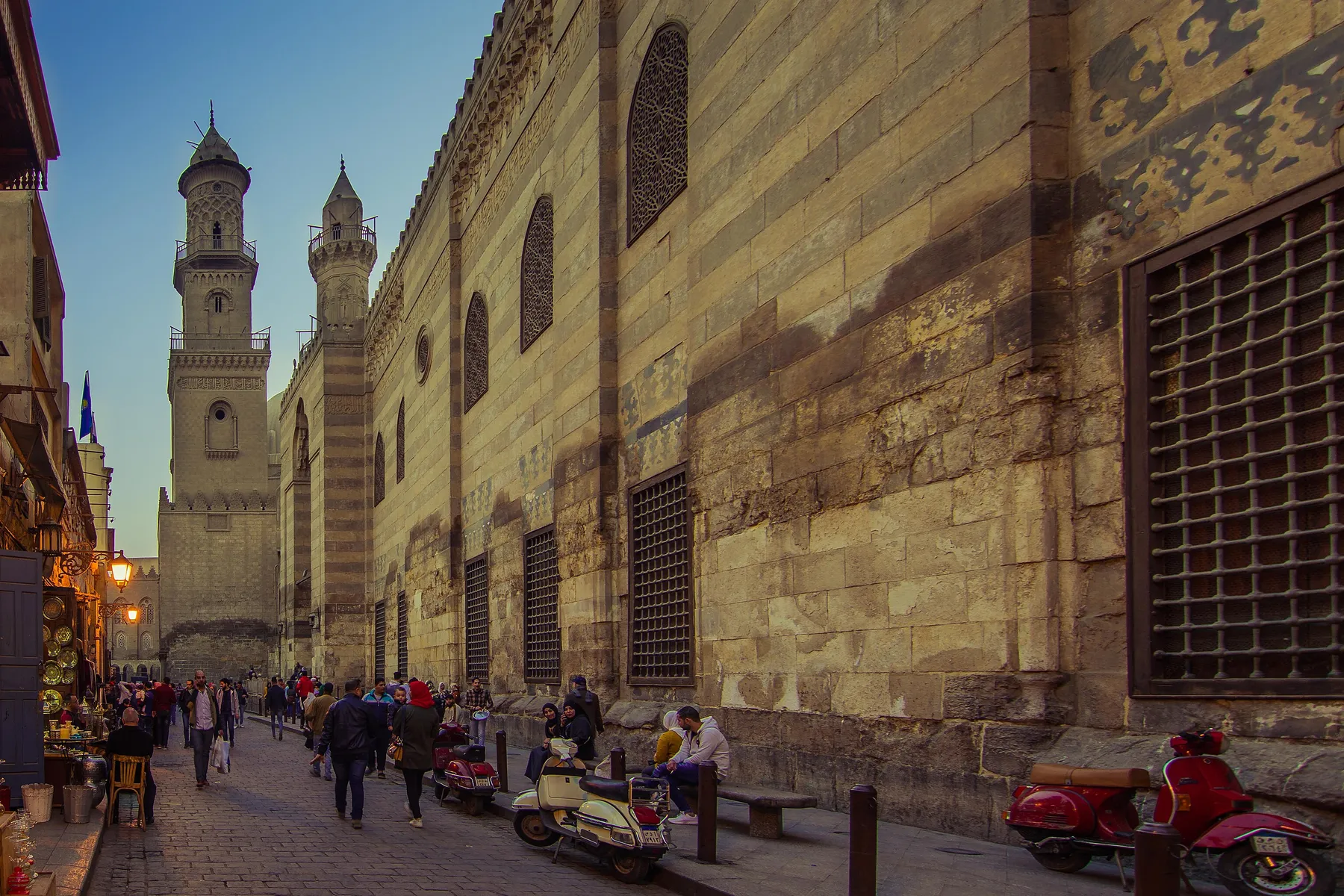
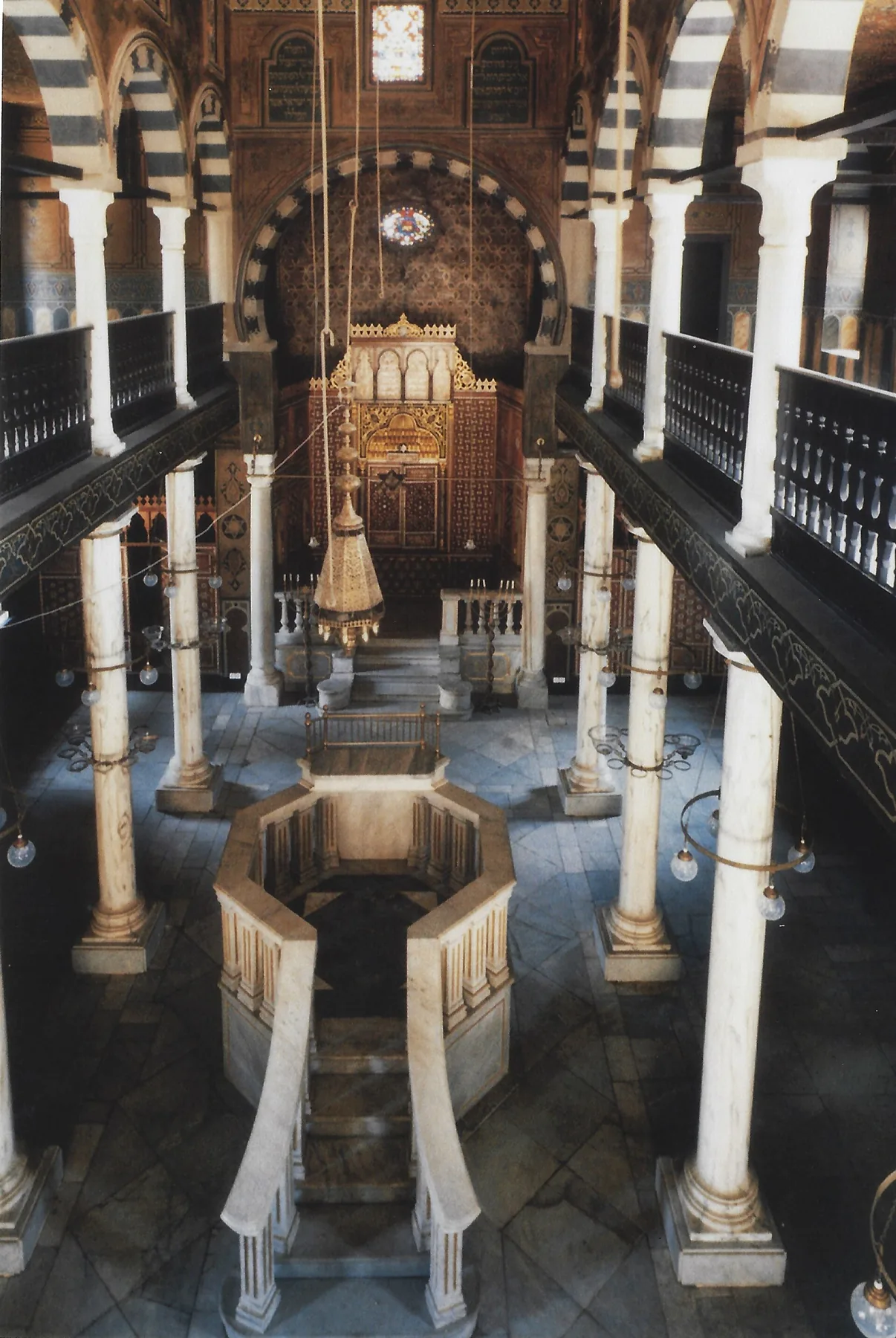
Start in Old Cairo. Under Roman rule one of the legions that held Egypt was stationed at the fortress of Babylon, and fragments of it can still be seen in the grounds of the Coptic Museum. The Hanging Church takes its name from being raised over those ruins. A short walk away, the Ben Ezra Synagogue kept a storeroom of worn-out writings that went on filling for centuries, a whole community's paperwork that nobody threw away.

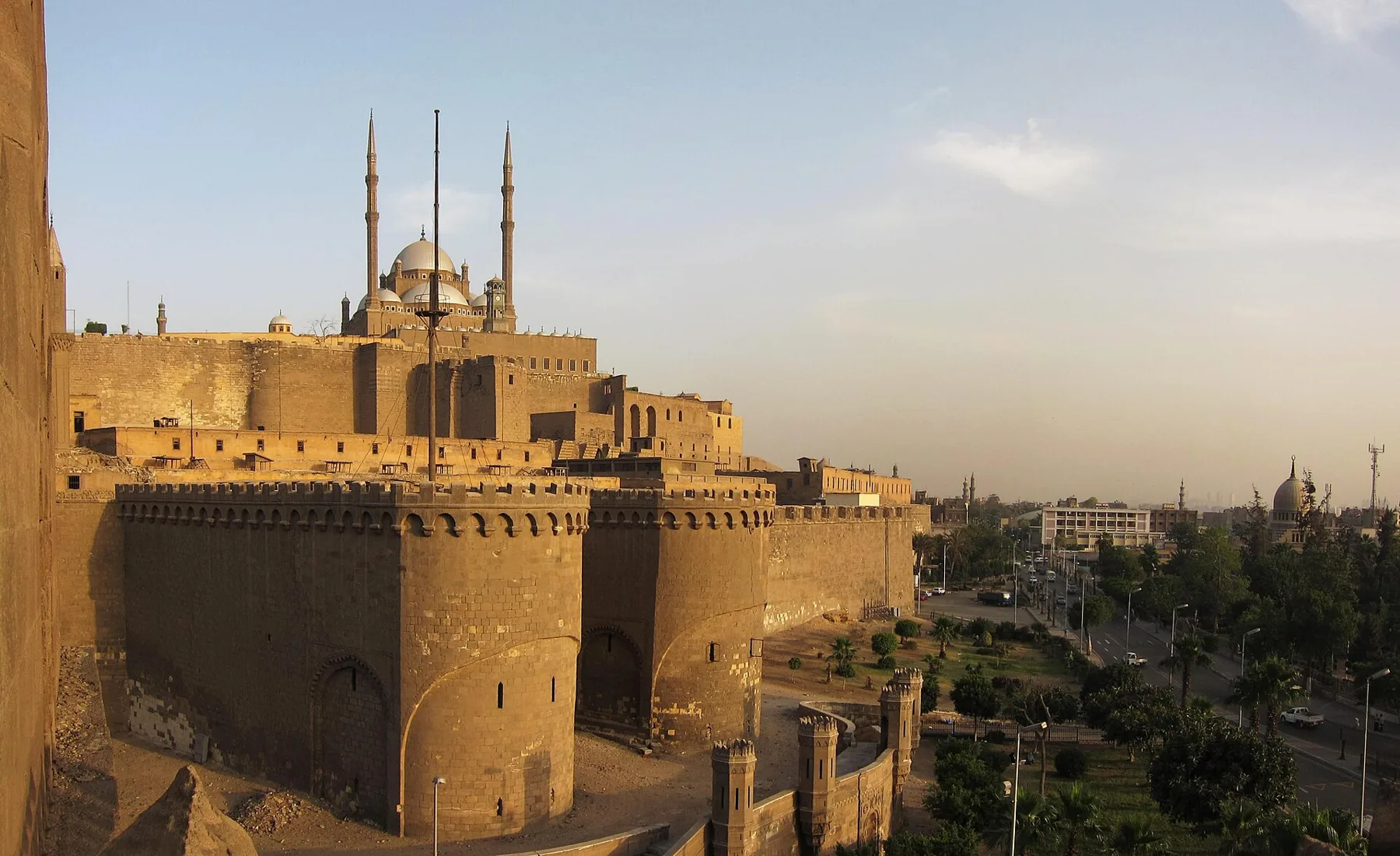
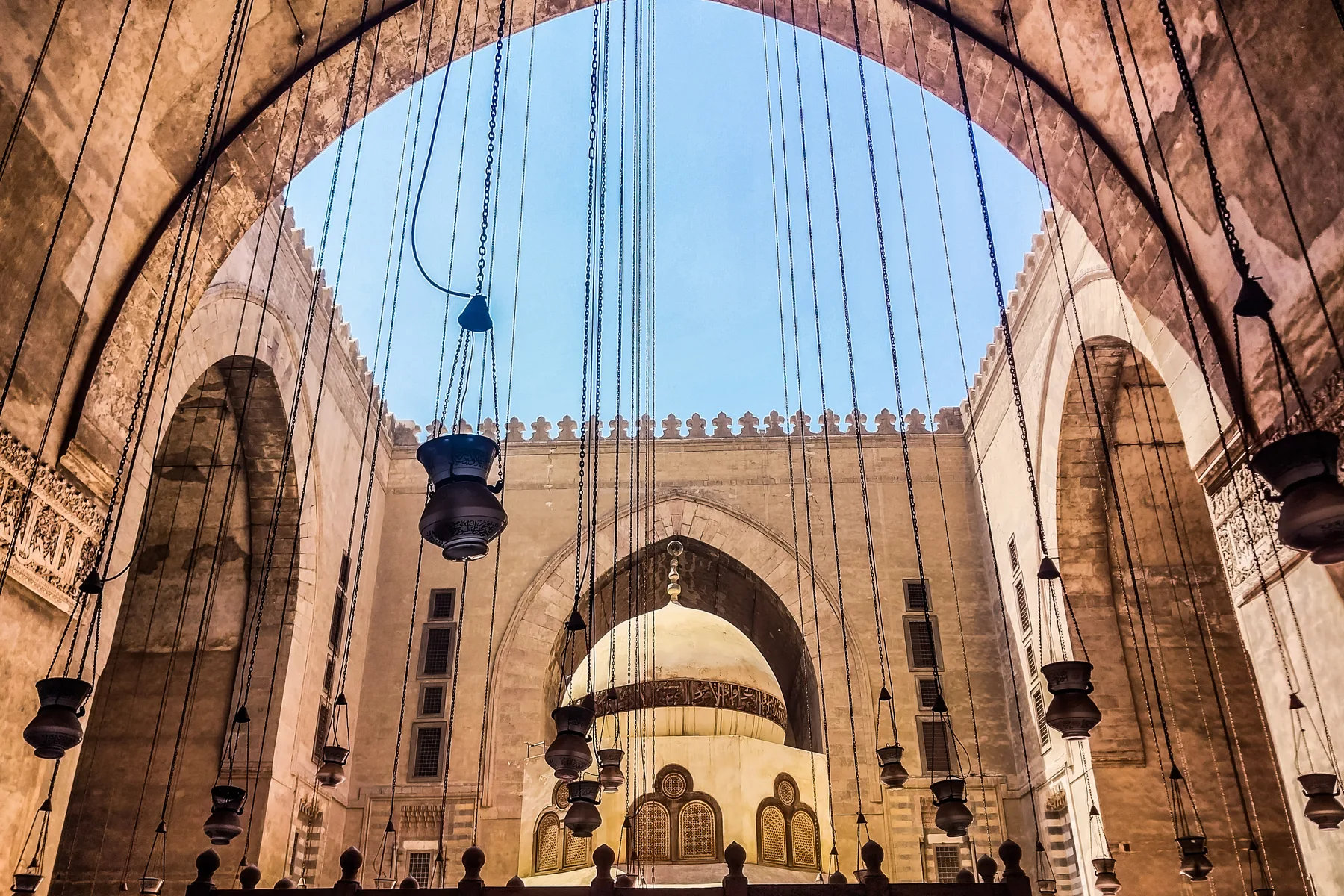
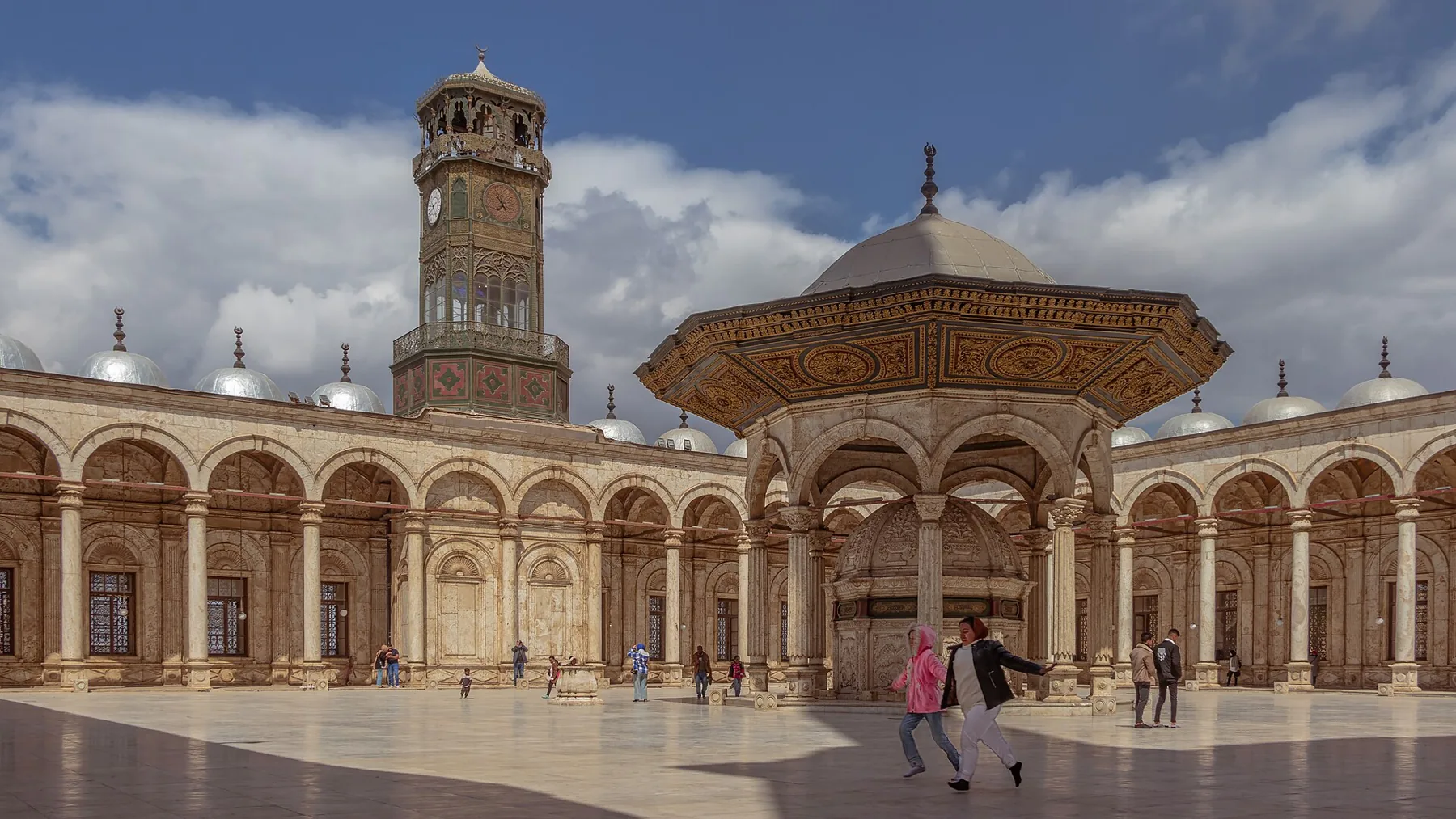
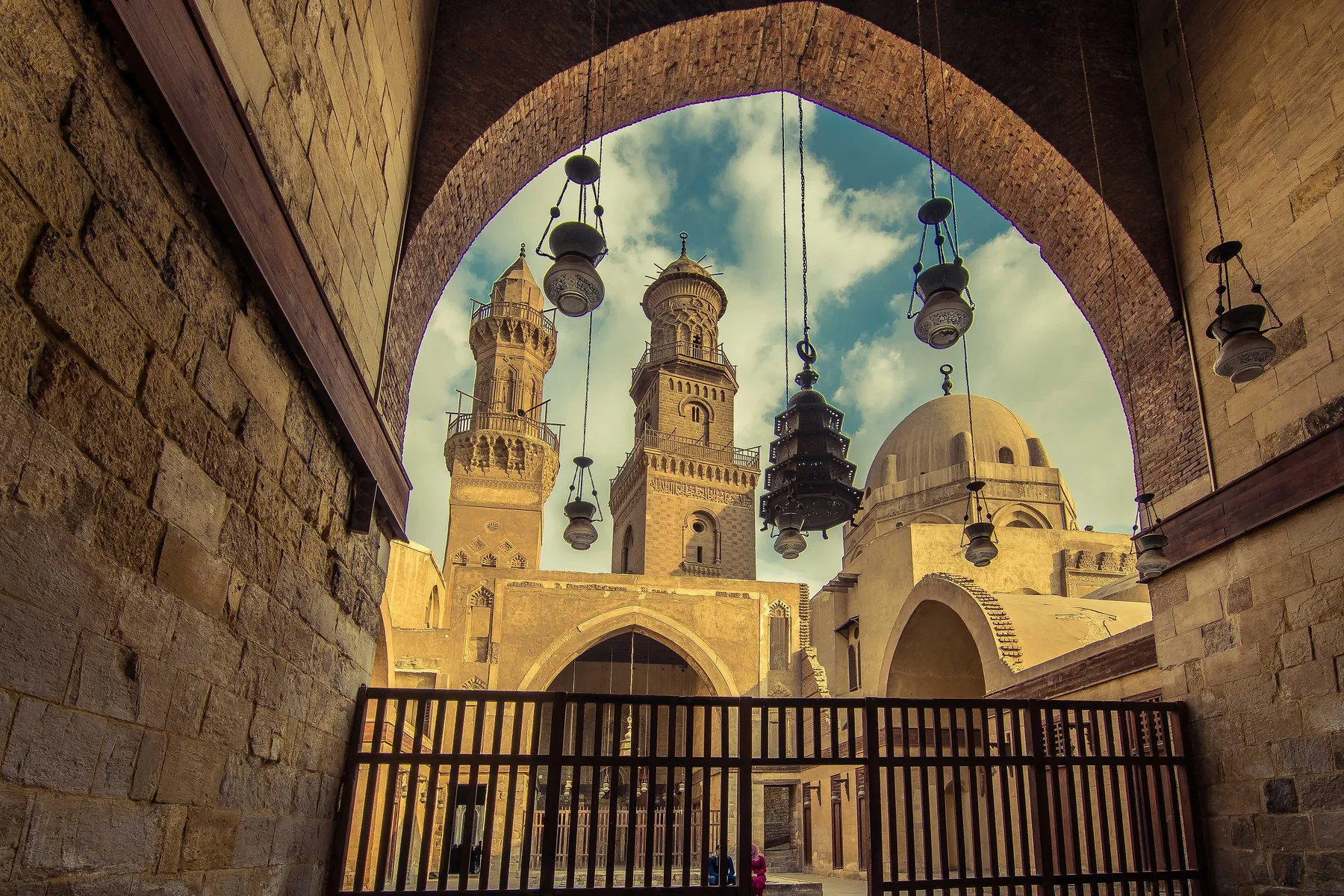
Then climb to the Cairo Citadel, begun for Salah al-Din in 1176 and the seat of Egypt's rulers until the mid-nineteenth century, crowned by the Muhammad Ali Mosque. The same reign reached out to Giza: Mark Lehner cites the medieval scholar Abd al-Latif's report that the emir Karakoush destroyed a number of small pyramids there, and blocks from Giza went into arches built across the floodplain.

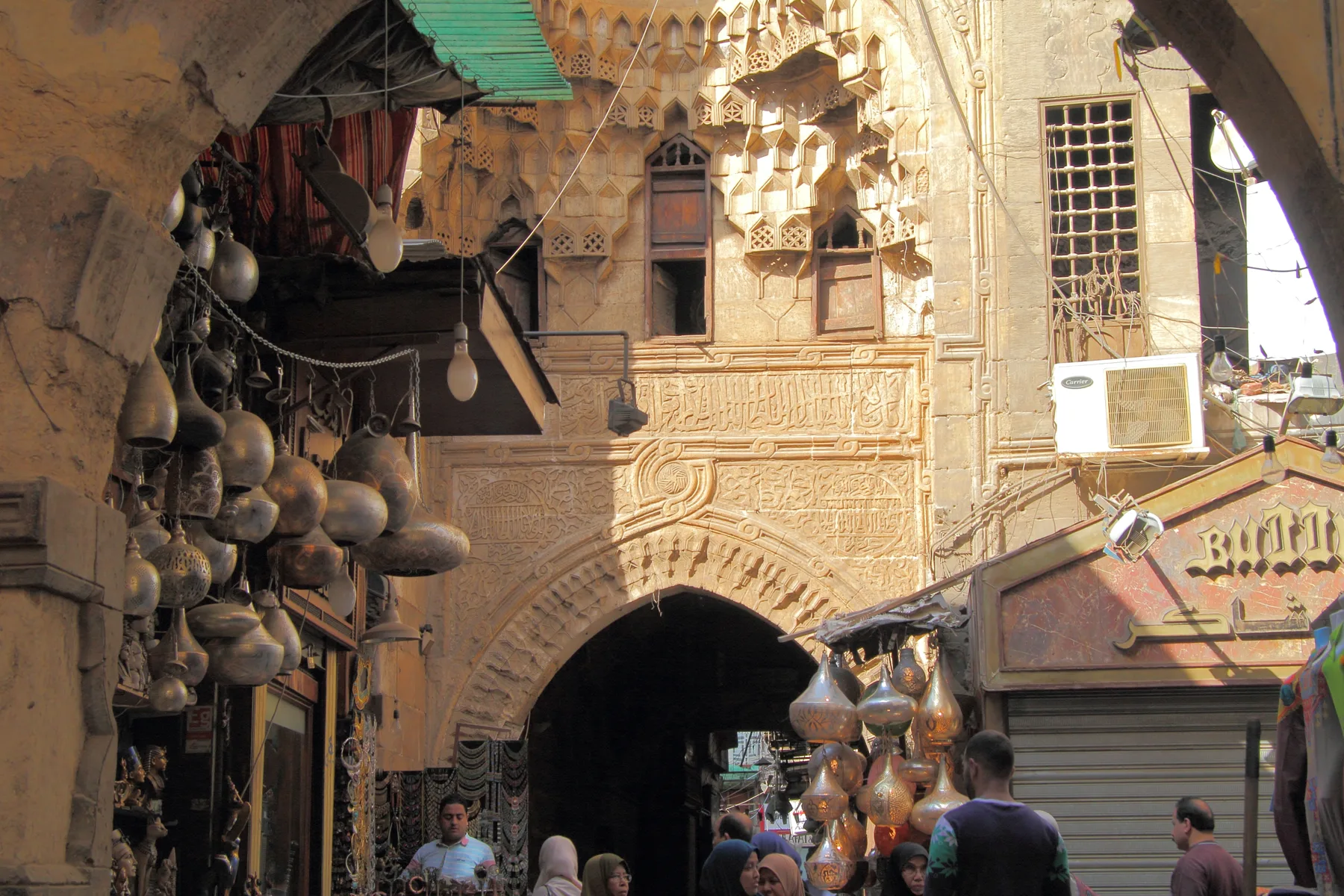
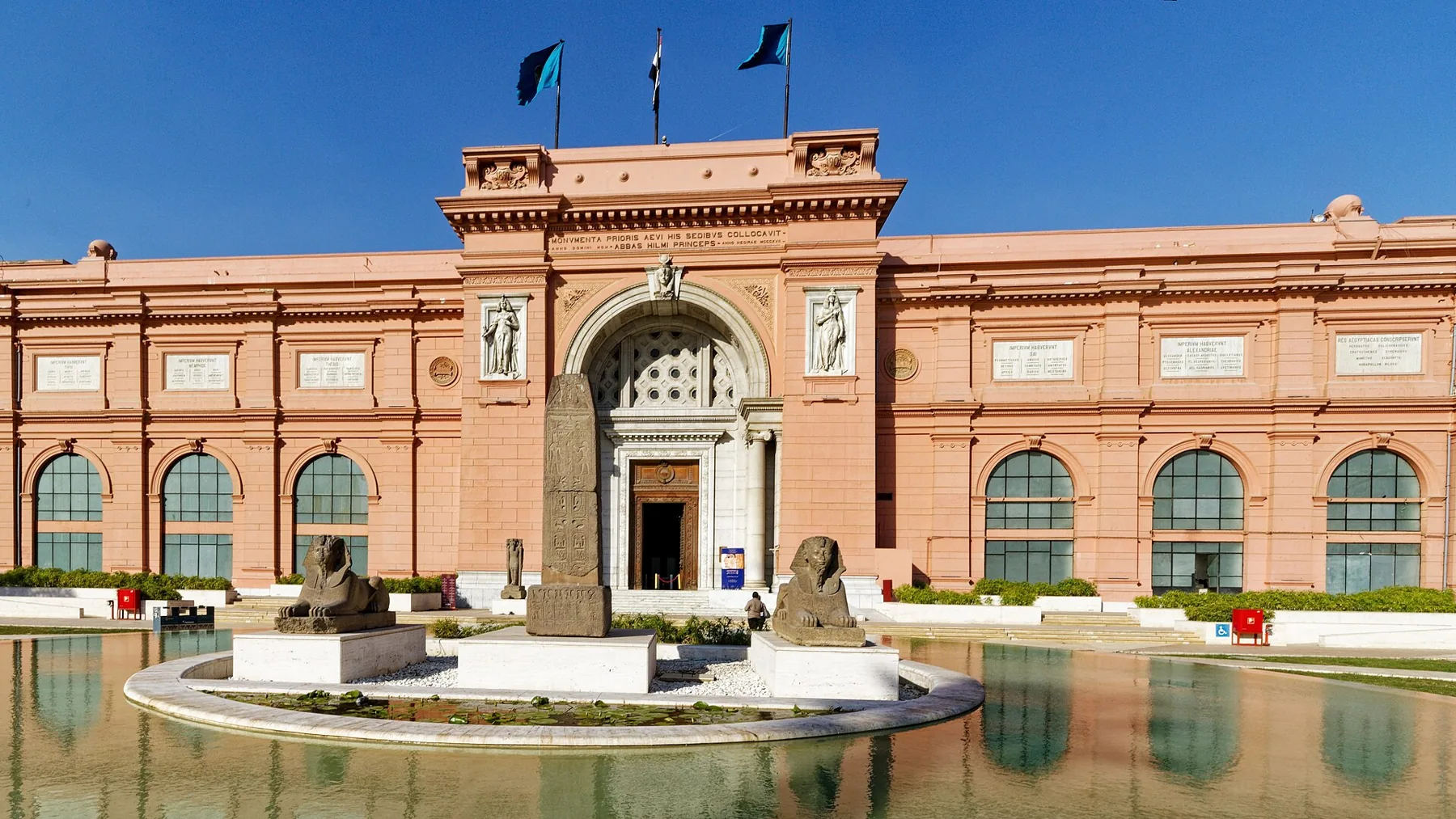
The Egyptian Museum on Tahrir Square, opened in 1902, holds the long view from the Predynastic Period to the Graeco-Roman era. Khan el-Khalili is the part of the city that still trades. Our suggestion is to begin with the museum and end in the bazaar.

Giza

Giza is a plateau and a museum, and in our judgement the story that joins them is about people rather than kings. Three kings of the Fourth Dynasty, Khufu, his son Khafre and Menkaure, built their pyramids here over three generations, on a plate of limestone whose regular layers made the building possible.

The Giza Plateau page follows the workforce. Mark Lehner gives 20,000 to 30,000 as the generally accepted figure for the workers at any one time, organised in gangs with names such as "Friends of Khufu" and "Drunkards of Menkaure". In 1991 a digger at the edge of the plateau broke into two of their bakeries.

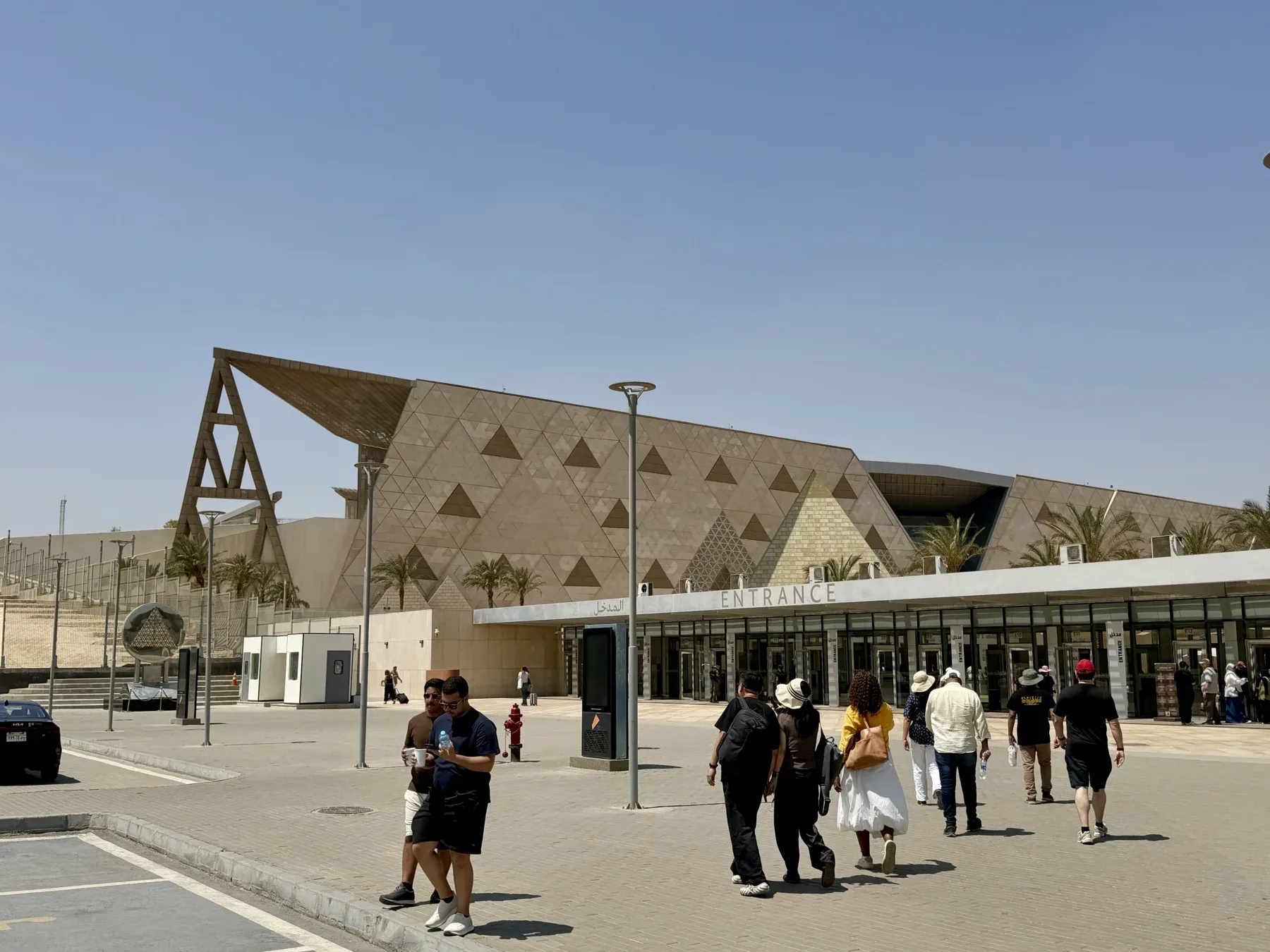
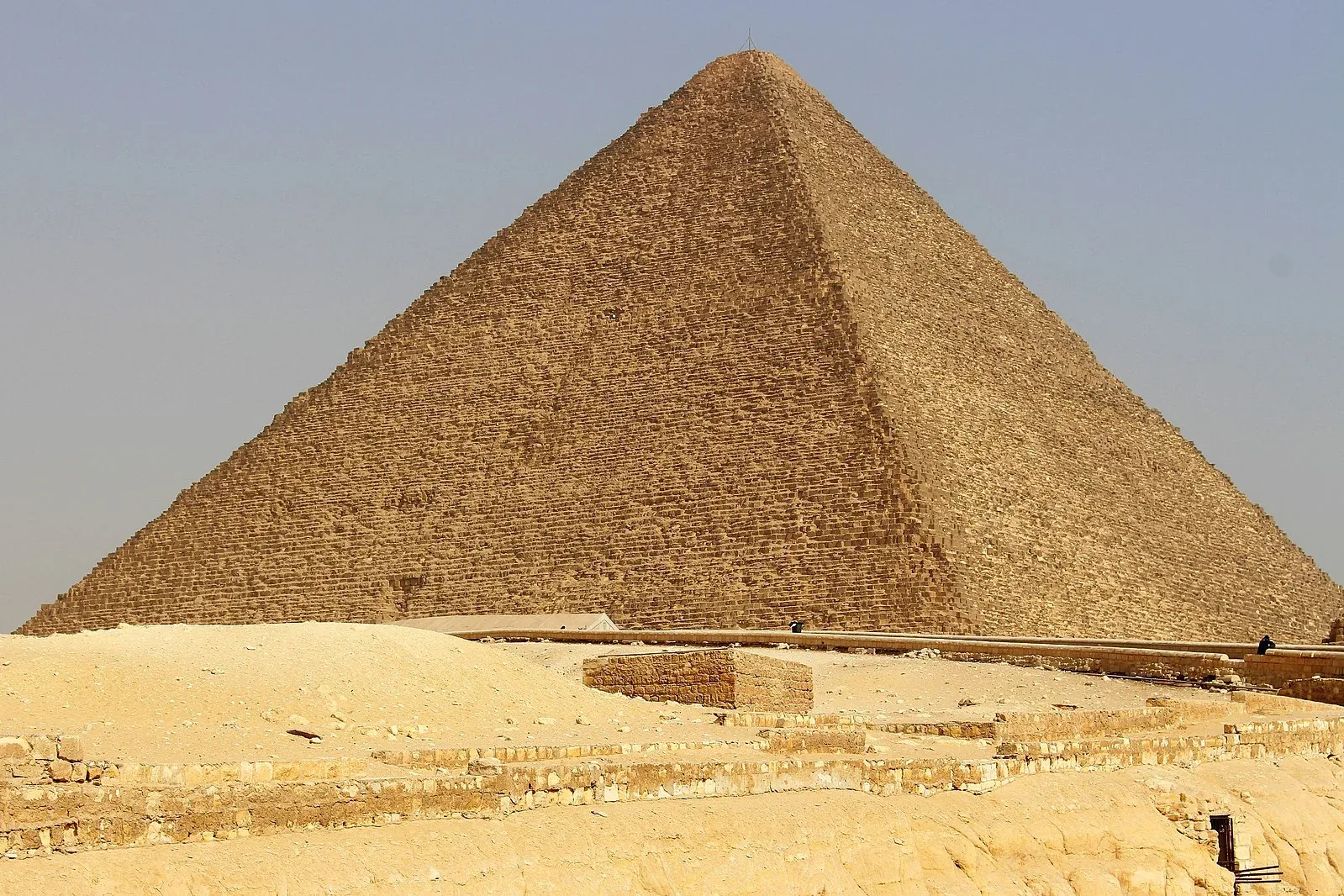
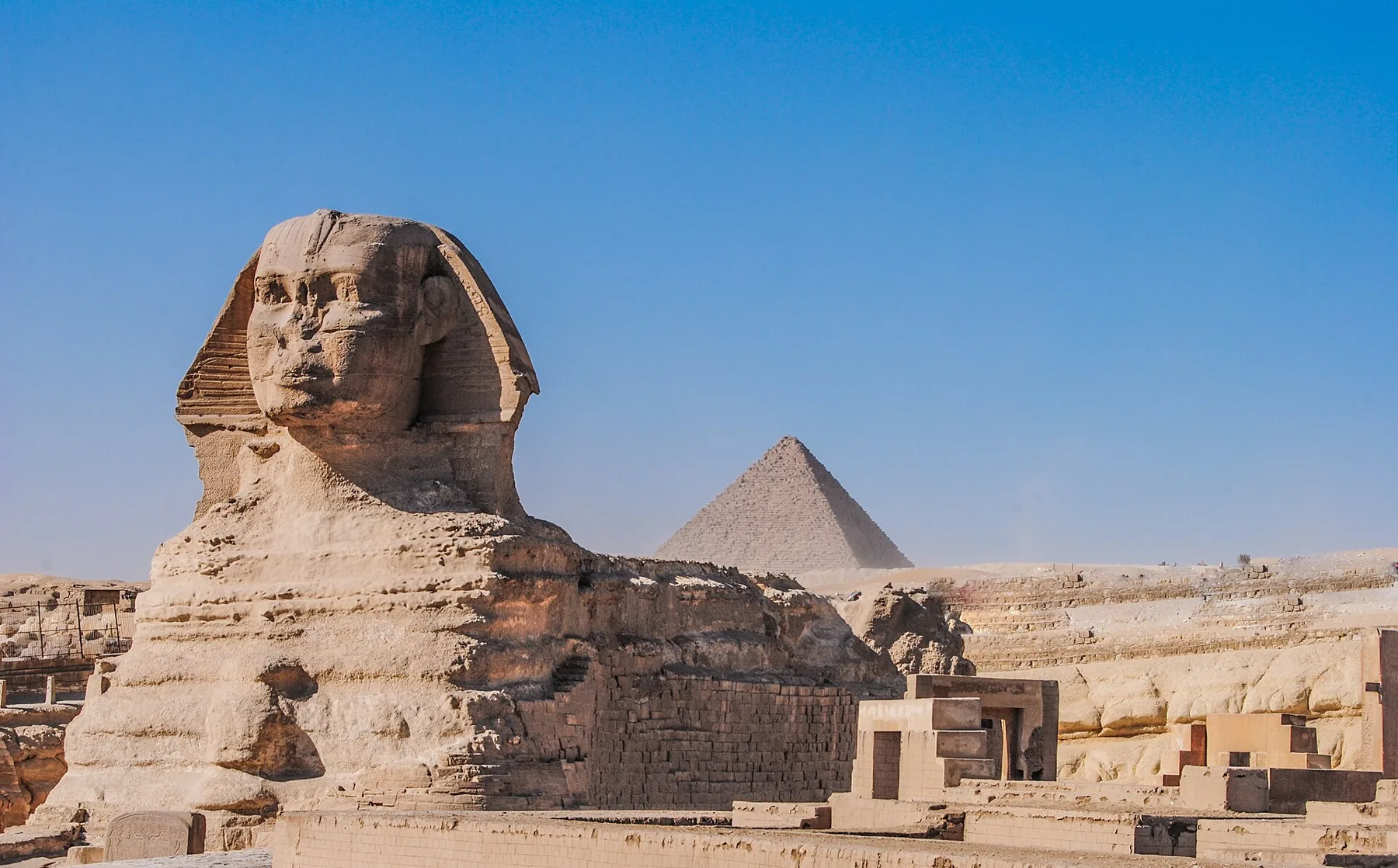
Each monument has its own page: The Great Pyramid of Khufu, the Pyramid Complex of Khafre, the Pyramid Complex of Menkaure and The Great Sphinx. At the edge of the plateau stands the Grand Egyptian Museum, whose galleries include Tutankhamun's burial goods and a museum for Khufu's boats. Our suggestion is to walk the plateau first, so that the objects in the museum return to a landscape you have already seen.

Saqqara

Saqqara is the cemetery of Memphis, and it was in use for almost the whole of ancient Egyptian history, from the officials of the First Dynasty to a Coptic monastery used until the eighth century AD. If Giza is a single statement, in our judgement Saqqara is a conversation that lasts nearly four thousand years.

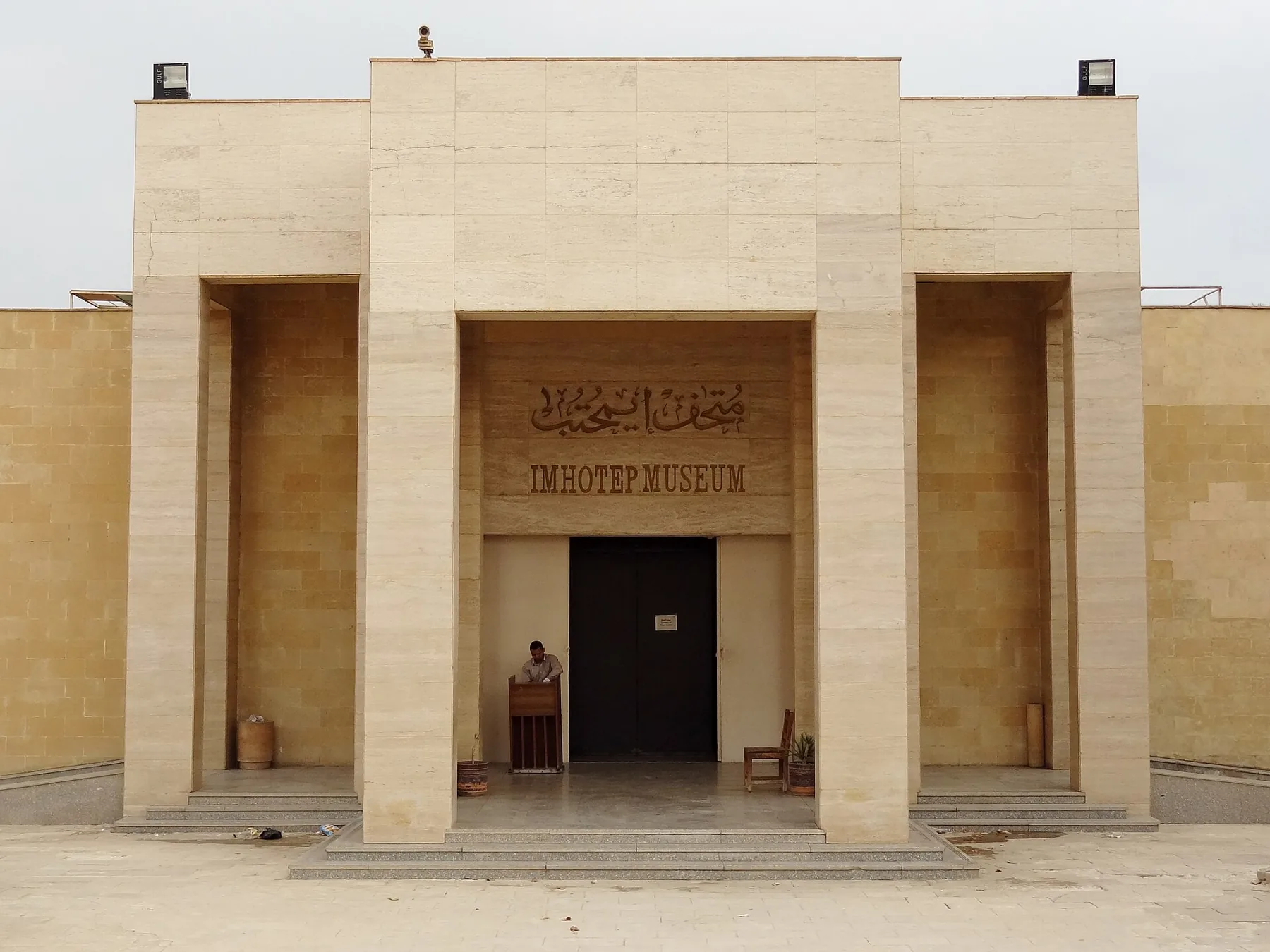
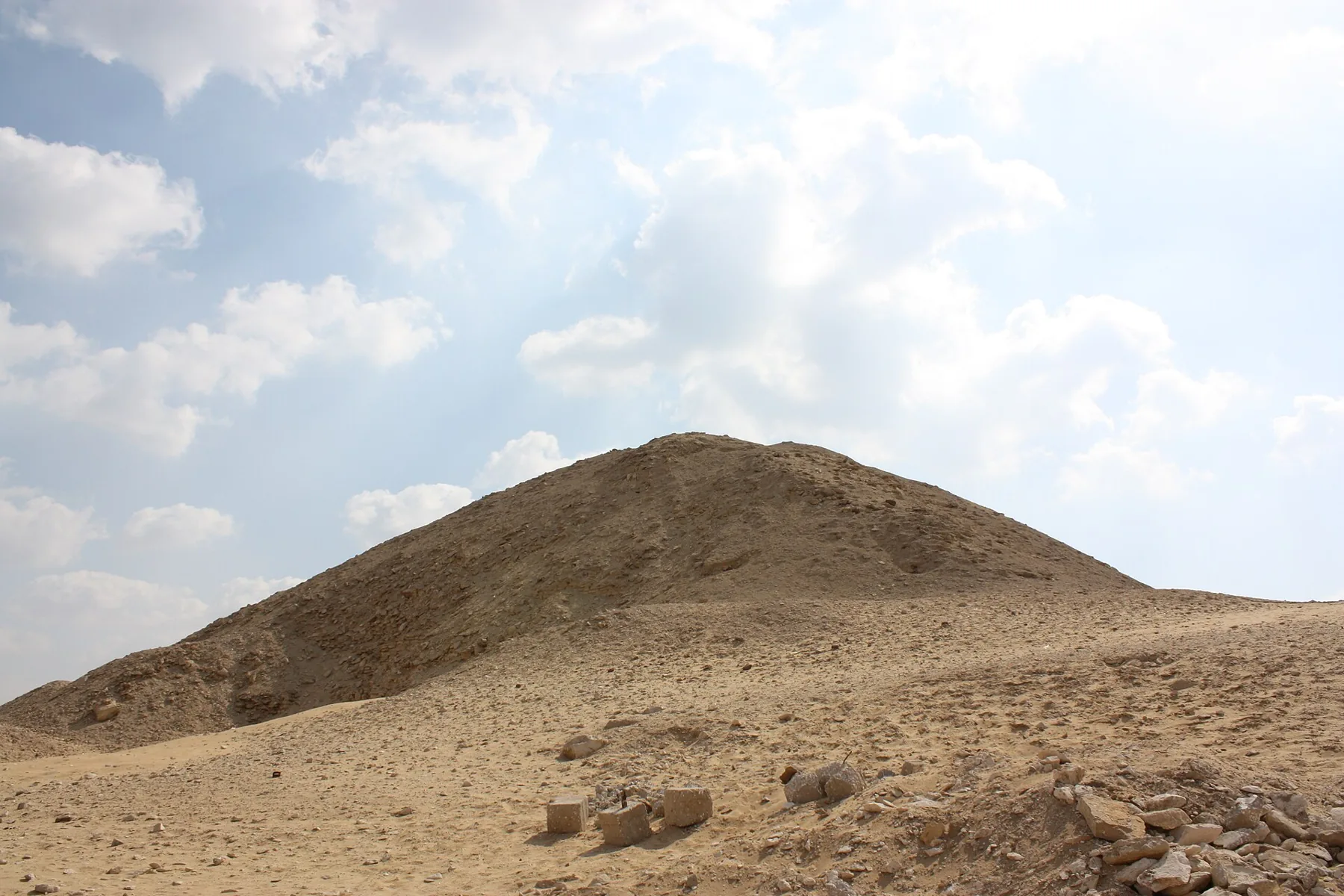
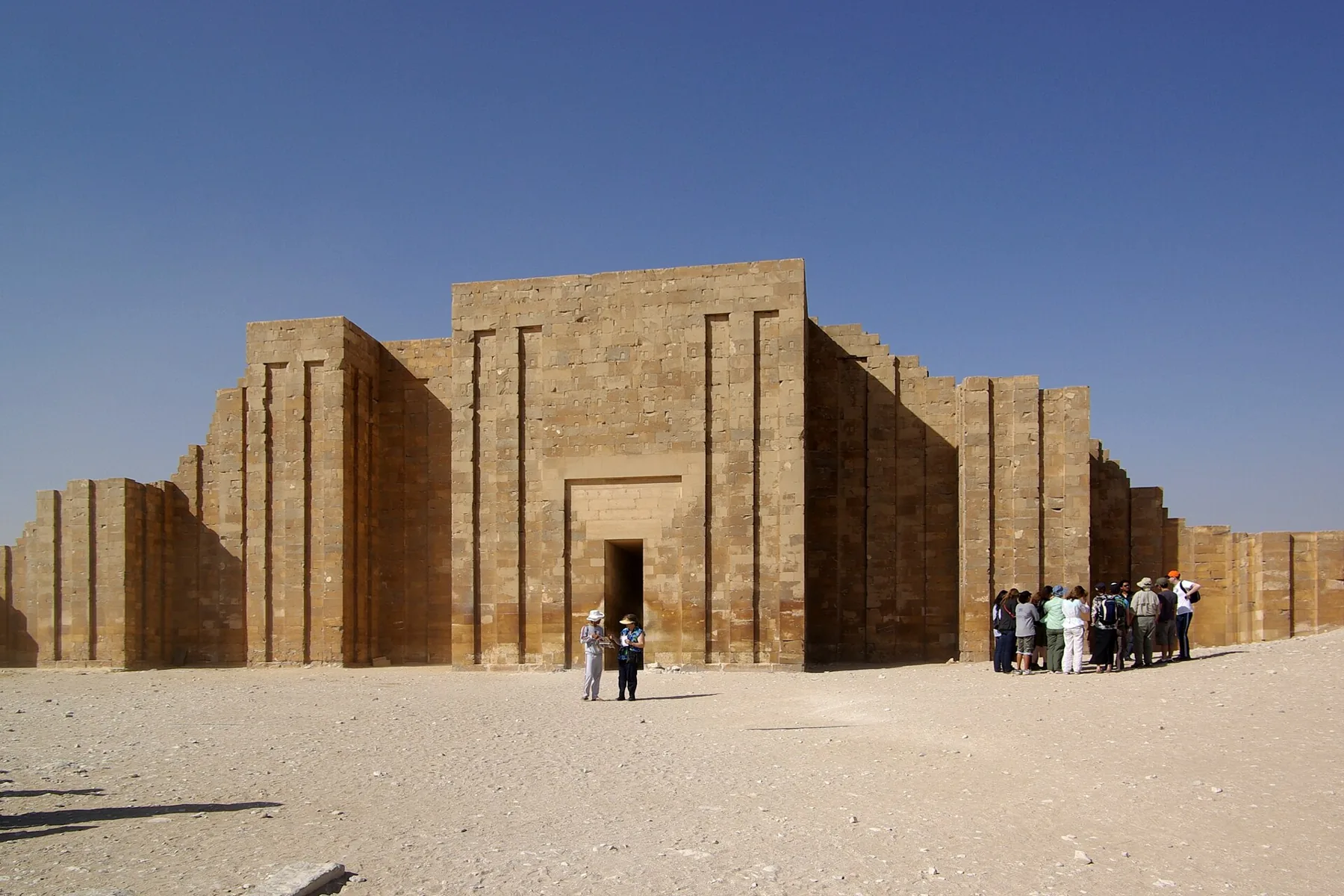
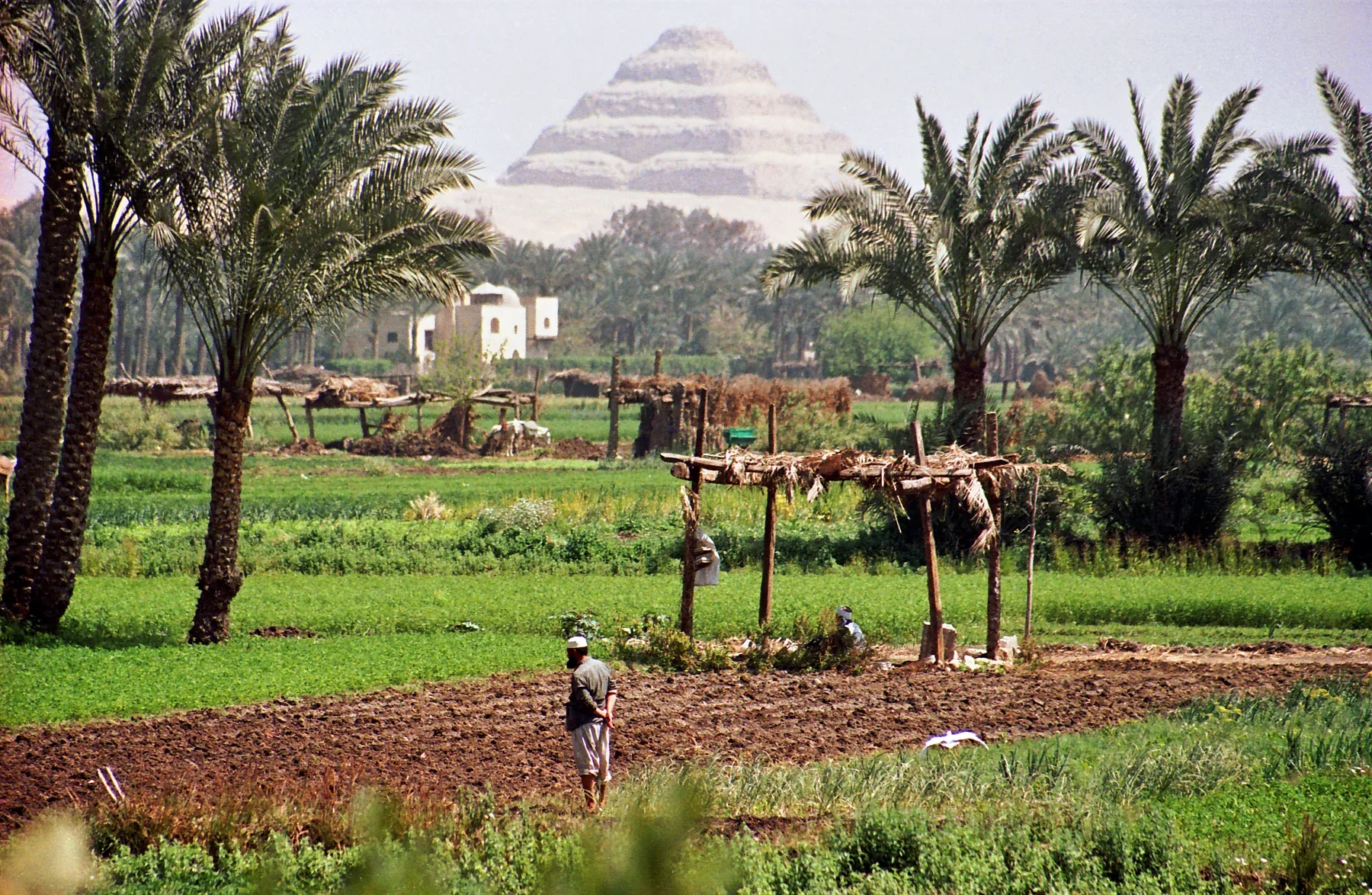
It began with officials. Their huge mudbrick tombs stood along the edge of the escarpment, facing the sunrise and overlooking the capital below; one of them held the earliest rolls of papyrus yet discovered. Then came the kings: the Step Pyramid Complex of Djoser, the first building of monumental scale in Egypt built throughout of stone, and later the Pyramid Complex of Teti. By the Late Period Saqqara had become a city of sacred animals, with The Serapeum of the Apis bulls at its heart. The Imhotep Museum stands at the entrance, and the whole necropolis has its own page: Saqqara.

Saqqara is also where you can watch Egyptians studying their own past. More than a thousand years after the pyramid of Unas was built, Khaemwaset, son of Ramesses II and high priest at Memphis, restored it and carved an inscription to say so. Jan Assmann calls him the first known antiquarian and conservationist in human history.

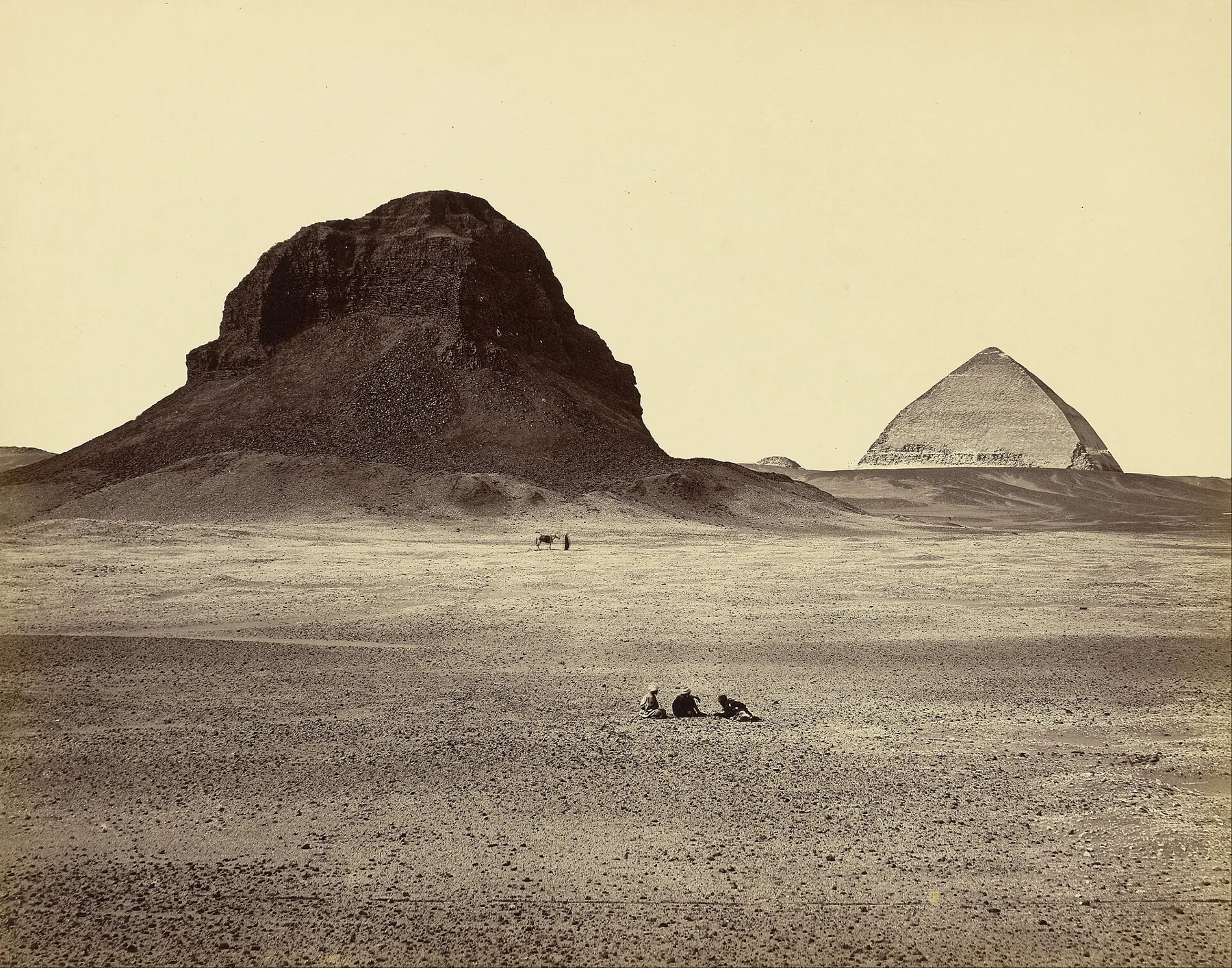
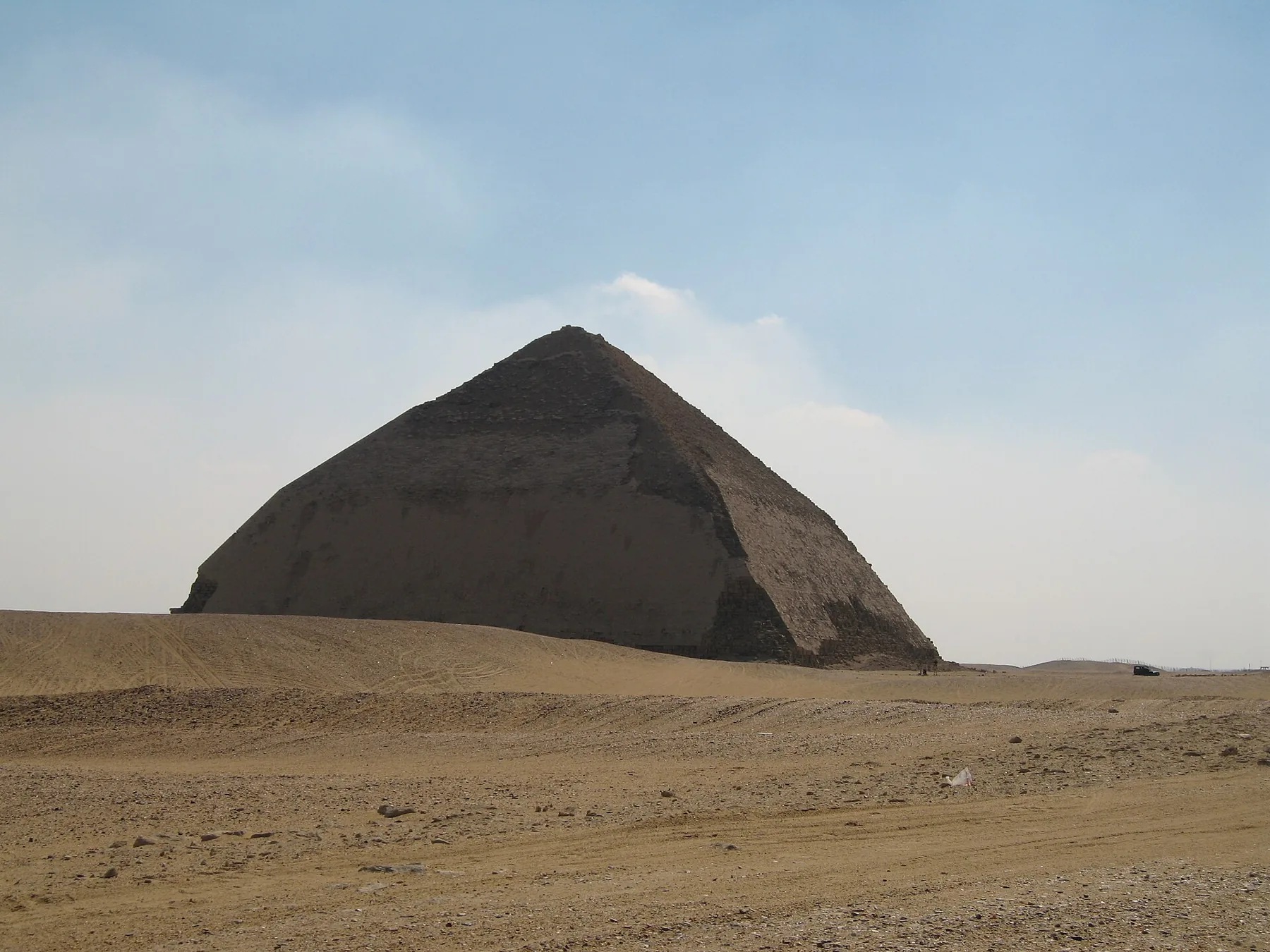
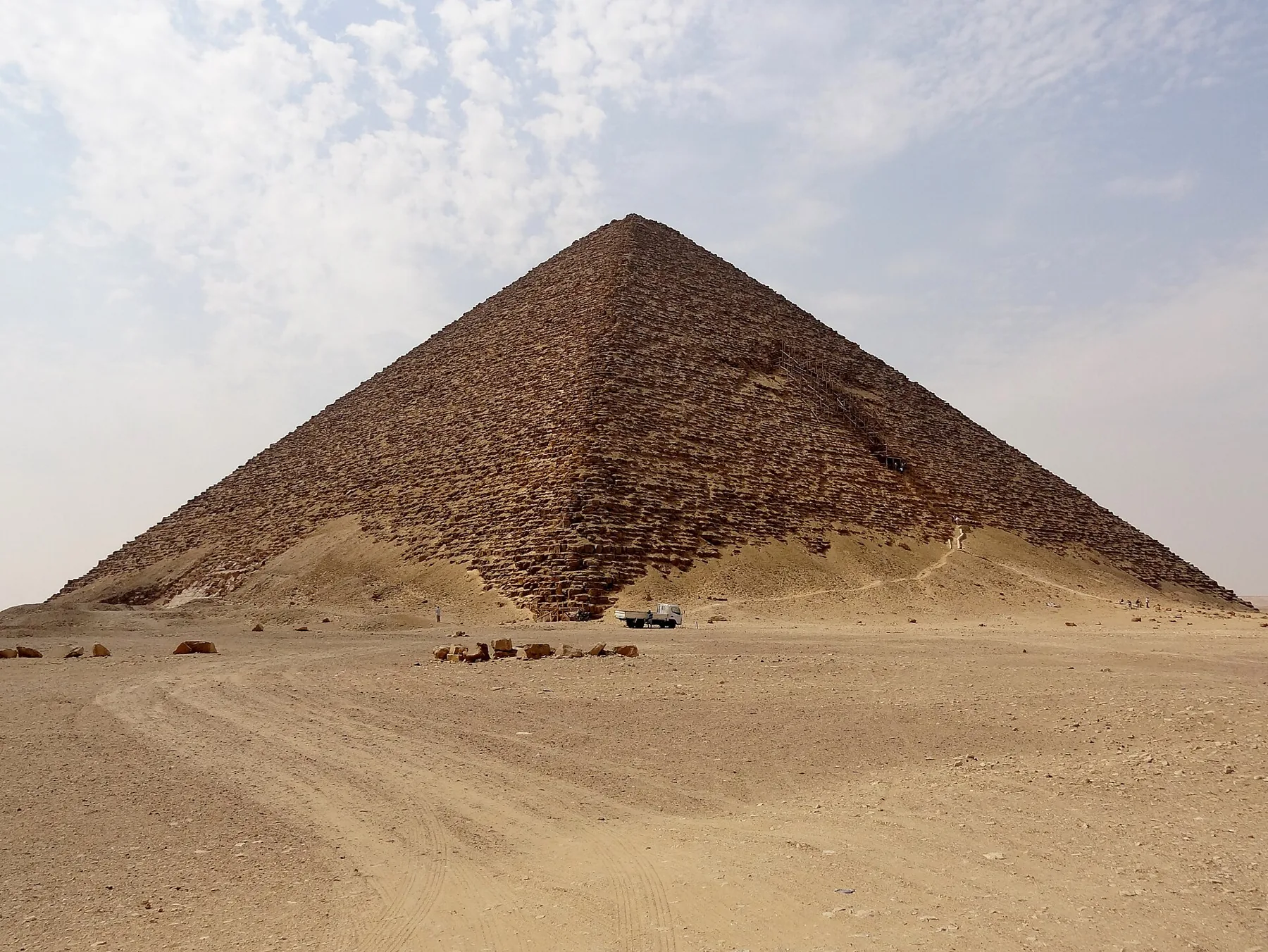
Below the plateau lie the remains of the city the cemetery served, Memphis (Mit Rahina). To the south is Dahshur, where Sneferu learned to build a true pyramid.
Highlights

What to see in Cairo & Giza.

Each place has its own page: who built it, what happened there, and what you see when you stand in it.
Show 16 more places

Best months to go

Cairo & Giza, month by month.

Kindest for a full day outOctober to April

  1. Jan18.9° average high,10.1° average low.Mild.
  2. Feb20.5° average high,11.0° average low.Mild.
  3. Mar23.8° average high,13.2° average low.Mild.
  4. Apr28.1° average high,15.9° average low.Warm.
  5. May32.2° average high,19.3° average low.Hot: sightsee early.
  6. Jun34.6° average high,22.2° average low.Hot: sightsee early.
  7. Jul35.0° average high,23.8° average low.Hot: sightsee early.
  8. Aug34.9° average high,24.3° average low.Hot: sightsee early.
  9. Sep33.4° average high,22.7° average low.Hot: sightsee early.
  10. Oct30.0° average high,20.0° average low.Warm.
  11. Nov24.9° average high,15.6° average low.Mild.
  12. Dec20.5° average high,11.7° average low.Mild.
  • Mild (up to 26 °C)
  • Warm (27–32 °C)
  • Hot: sightsee early (33–37 °C)
  • Very hot: dawn and late afternoon (above 37 °C)

Average daily high and low, °C, 1991–2020, at Cairo: WMO climate normals published by NOAA. The shading is our judgement of what that heat means for a day of sightseeing, read from the average high; the best time to visit Egypt compares every place, month by month.

Make the time count

How many nights in Cairo & Giza?

Our planning view: three nights gives you two full days on the ground — one for Giza and the Grand Egyptian Museum, and one for Islamic Cairo, Coptic Cairo or Saqqara — without crossing the whole city twice in one day.

  1. If you have one day

    Keep to the Giza plateau and the museum

    Reach the Giza plateau at 07:00 for the pyramids and Sphinx, then cross the 2 km to the Grand Egyptian Museum for a timed afternoon entry.

  2. The minimum that works

    Stay three nights

    Give one full day to Giza and the Grand Egyptian Museum, and a second full day to Al-Muizz Street, the Citadel and Coptic Cairo or to Saqqara and Memphis.

  3. For a slower reading

    Stay four nights

    Separate Saqqara and Dahshur from the Giza day, add the National Museum of Egyptian Civilization, and leave an unhurried evening on the Nile.

Before you decide

The questions people ask first.

Answered from the same record as the rest of this page. Routing, timings and everything included are confirmed in your written quote.

How many nights are worth spending in Cairo and Giza?
Three nights is the minimum that works for a first visit: arrival on the first evening, one full day for the Giza pyramids and the Grand Egyptian Museum, and a second full day for Islamic and Coptic Cairo or Saqqara before flying south. Four nights lets you visit both Saqqara and historic Cairo without compressing either.
What should I not try to combine in one day?
Do not combine the Giza plateau, the Grand Egyptian Museum, the Citadel and Khan el-Khalili in a single day. The museum alone rewards half a day, and crossing from Giza to historic Cairo adds cross-city traffic when you are already tired from the plateau.
Where should I base myself in Cairo or Giza?
Choose by how your days are split: staying in Giza or near the plateau cuts morning road time for the pyramids and the Grand Egyptian Museum, while staying on the Nile in Zamalek, Garden City or Downtown puts you closer to historic Cairo and evening dining.
Should I visit the Grand Egyptian Museum and the pyramids on the same day?
They sit about two kilometres apart, so pairing morning at the Giza pyramids with a timed afternoon or Wednesday/Saturday evening slot at the Grand Egyptian Museum works well if you keep the rest of the day clear. On a longer stay, giving each its own morning is even calmer.
How does Cairo connect to the rest of an Egypt itinerary?
Most journeys start in Cairo and continue south to Luxor or Aswan by morning flight or overnight sleeper train, or branch out for a day to Alexandria or Fayoum. Routing, timings and everything included are confirmed in your written quote.

Tours

Tours in Cairo & Giza.

16 tours visit Cairo & Giza, those based here first. Each states the time on the road and at the sites before you ask.

Good to know

The practical part, in one place.

Getting here and on

Luxor
About 1 hour by airThe road takes 8–9 hours and the sleeper train 9–10
Nile & Aswan
About 1½ hours by airThe road and the train take most of a day and a night
The Red Sea
About 1 hour by air to Hurghada or Sharm El SheikhThe road to Hurghada takes 5–6 hours
Alexandria
About 3 hours by road
Fayoum
About 2 hours by road
Western Desert
4–5 hours by road to Bahariya, then the desert by 4×4

Typical door-to-door ranges, checked : advice rather than timetables. Your written quote confirms the actual flights, trains and transfers.

Opening hours, as recorded

Al-Mu'izz Street
09:00-17:00Listed on
Ben Ezra Synagogue
09:00-16:00Listed on
Cairo Citadel
08:00-17:00Listed on
Dahshur
08:00-17:00Listed on
Giza Plateau
08:00-16:00Listed on
Imhotep Museum
08:00-17:00Listed on
Mosque and Madrasa of Sultan Hasan
09:00-17:00Listed on
Muhammad Ali Mosque
08:00-16:00Listed on
Pyramid Complex of Menkaure
07:00-17:00Listed on
Pyramid Complex of Teti
08:00-17:00Listed on
Saqqara
08:00-16:00Listed on
Step Pyramid Complex of Djoser
08:00-17:00Listed on
The Bent Pyramid
08:00-17:00Listed on
The Egyptian Museum
09:00-17:00Listed on
The Great Pyramid of Khufu
07:00-17:00Listed on
The Hanging Church
09:00-16:00Listed on
The Red Pyramid
08:00-17:00Listed on
The Serapeum
08:00-17:00Listed on

As listed on the dates shown. We check them again for your dates before anything is booked.

Before you plan Cairo & Giza

Plan it

Put Cairo & Giza into your trip.

The planner gives it the nights it needs and suggests the days; we confirm everything in a written quote.

Photography credits (26)

KennyOMG, CC BY-SA 4.0; Mohammed Ali Moussa, CC BY-SA 4.0; Schlanger, CC BY-SA 4.0; Ahmed Al.Badawy, CC BY-SA 2.0; Slyronit, CC BY-SA 4.0; Olaf Tausch, CC BY 3.0; Djehouty, CC BY-SA 4.0; Sherif Alyamany, CC BY-SA 4.0; Hesham Farouk Ragab, CC BY-SA 4.0; Jocelyn Erskine-Kellie, CC BY 2.0; Wknight94, CC BY-SA 3.0; Berthold Werner, CC BY 3.0; Dr. Ondřej Havelka (cestovatel), CC BY-SA 4.0; Kristina from Magdeburg, CC BY 2.0; Holger Uwe Schmitt, CC BY-SA 4.0; Emőke Dénes, CC BY-SA 4.0; Olaf Tausch, CC BY 3.0; Mohammed Ali Moussa, CC BY-SA 4.0; Marc Ryckaert (MJJR), CC BY 3.0; Diego Delso, CC BY-SA 4.0; Marc Ryckaert (MJJR), CC BY 3.0; Diego Delso, CC BY-SA 4.0; Ludovic Delot, CC BY 4.0; Ahmed Yousry Mahfouz, CC BY-SA 4.0; Hamerani, CC BY-SA 4.0; Marc Ryckaert (MJJR), CC BY 3.0. Resized and cropped for display.