The story here
The Red Sea, before you arrive.
Hurghada
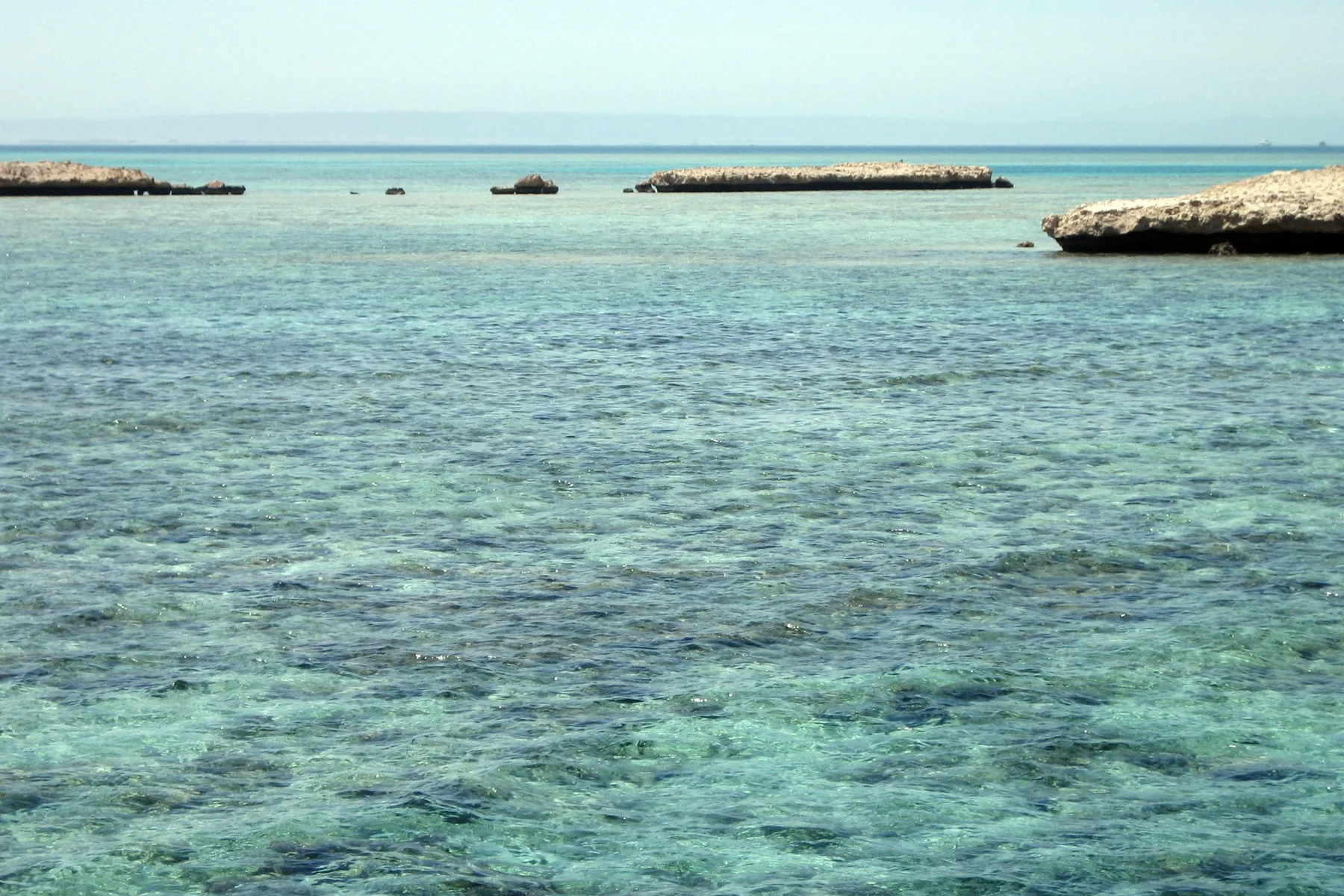
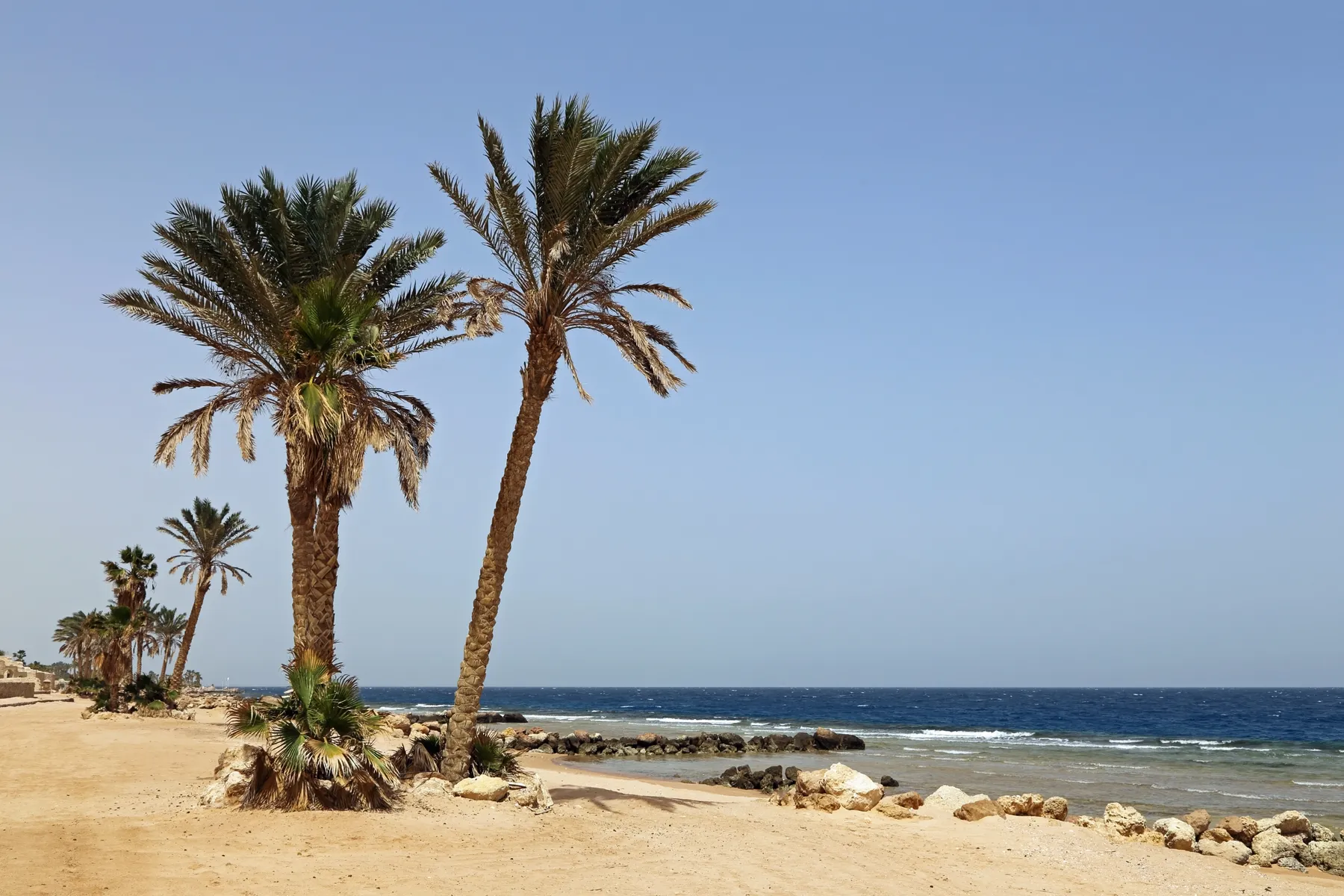
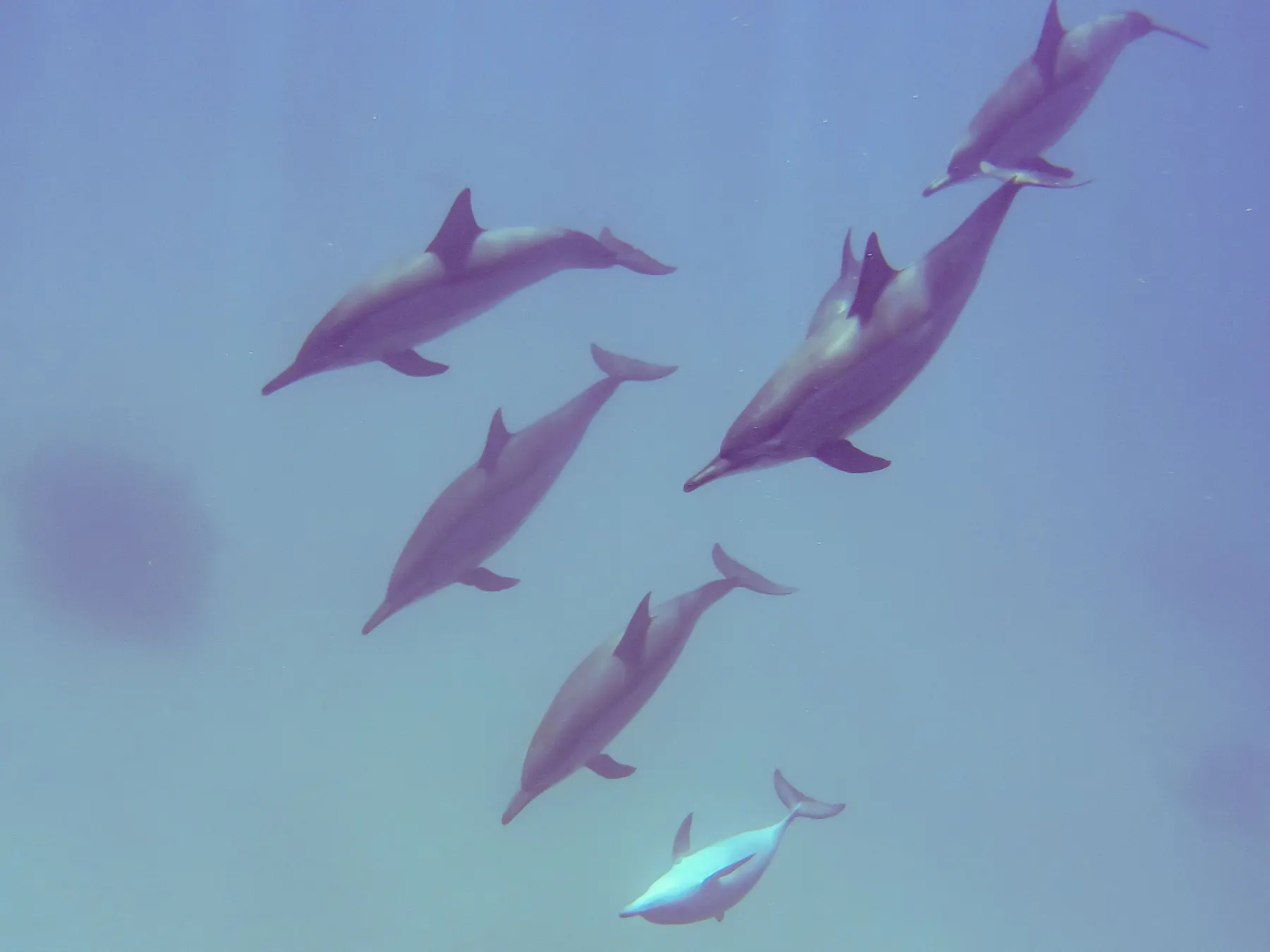
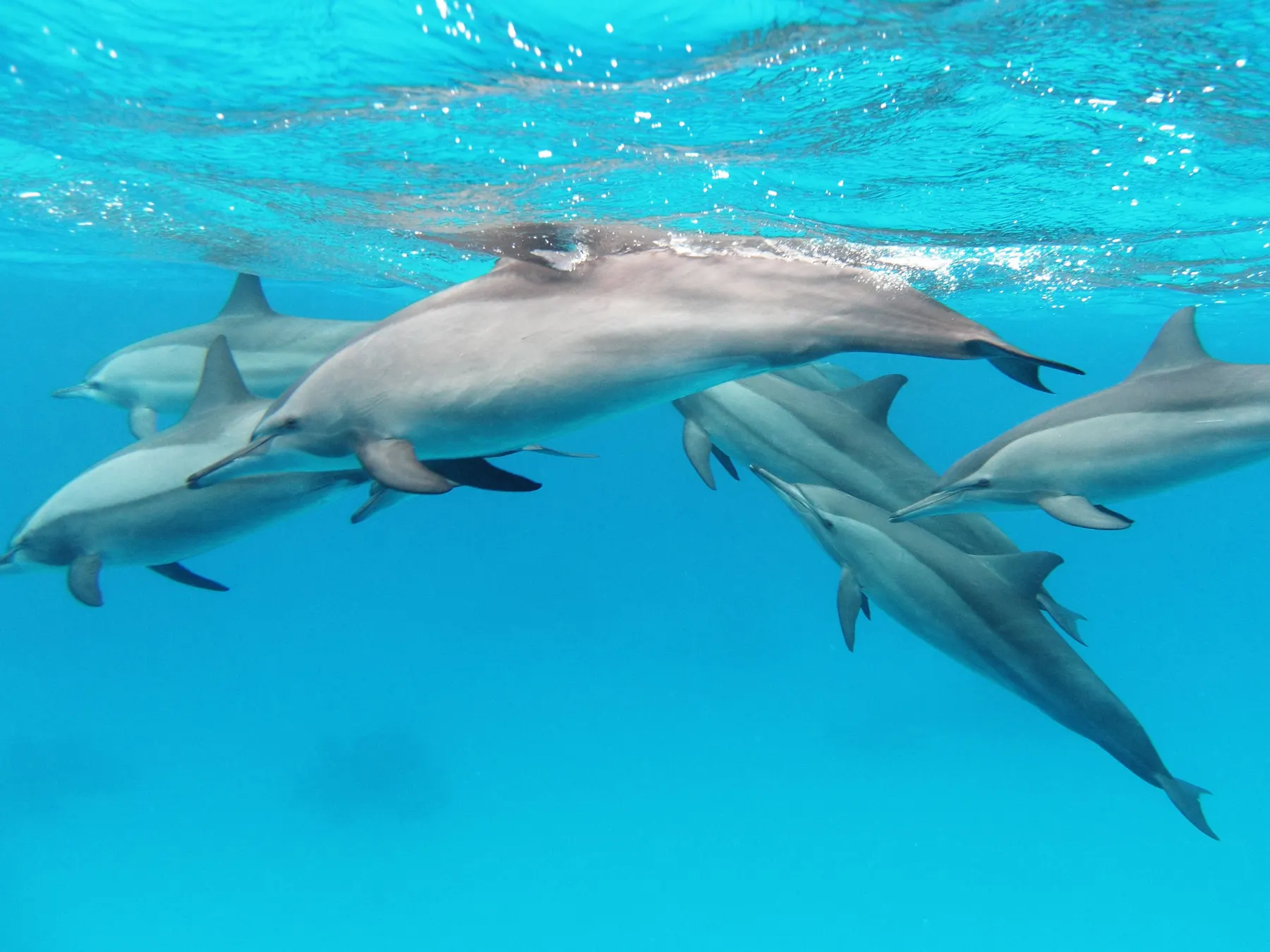
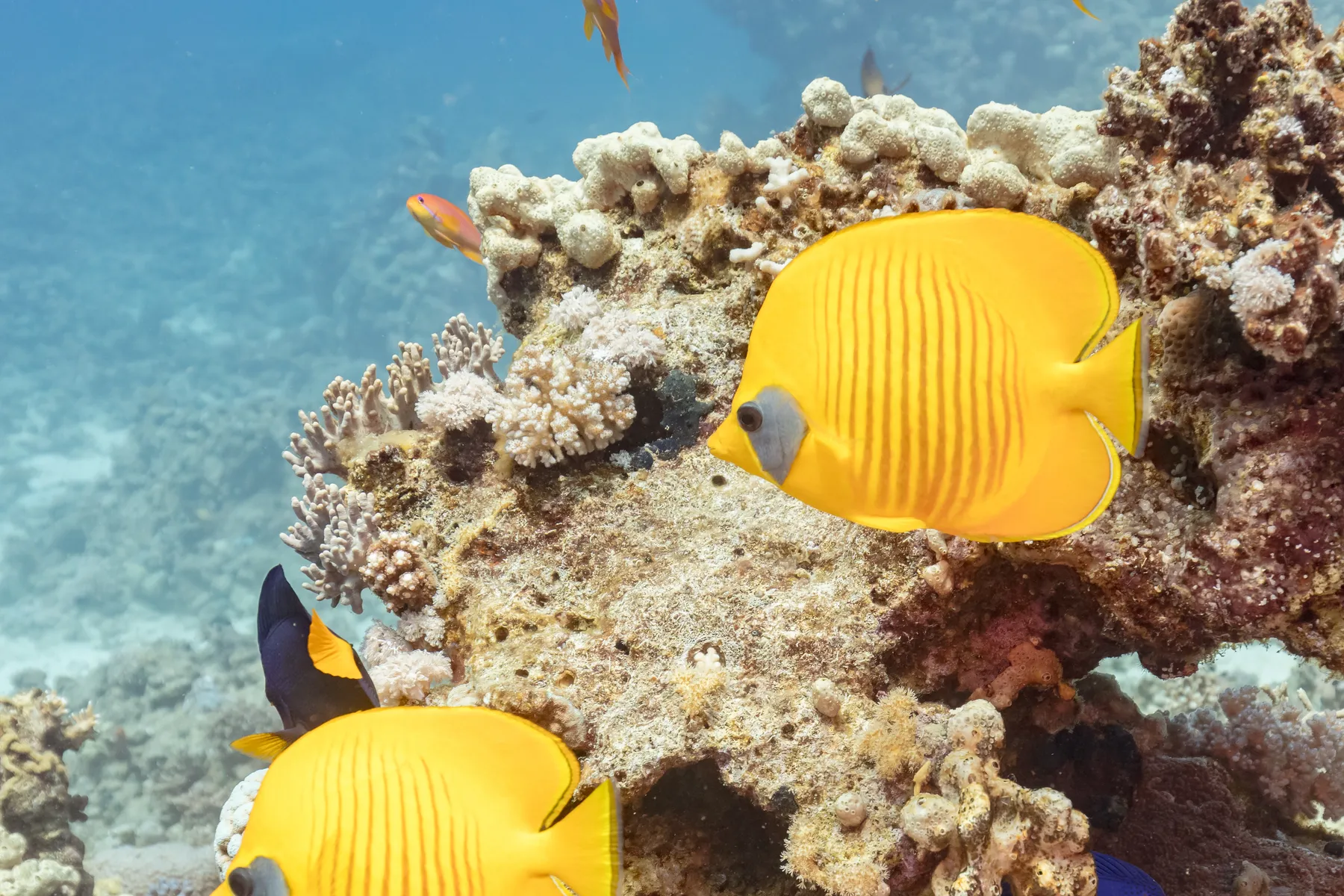
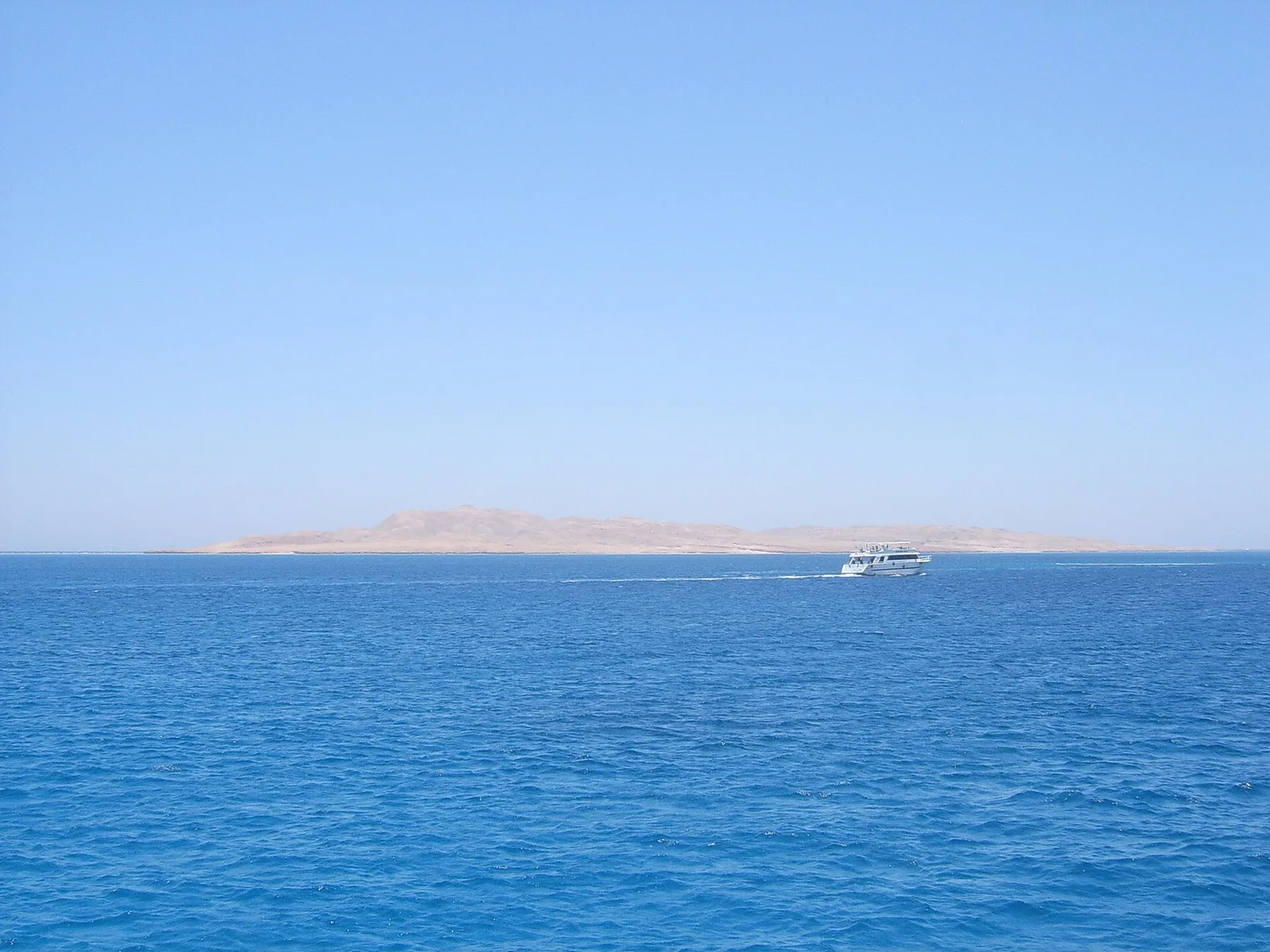
Most people come to Hurghada for the sea: the reefs of the northern Red Sea and Giftun Island offshore. The Egyptian Tourism Authority describes a resort coast of beaches and coral reefs, with the Giftun Islands, dolphins around them and the Dolphin House reef among its suggestions, and a marina, markets and desert dunes on land. The mountains behind the town tell an older story, and in our judgement it is one of the least known in Egypt.
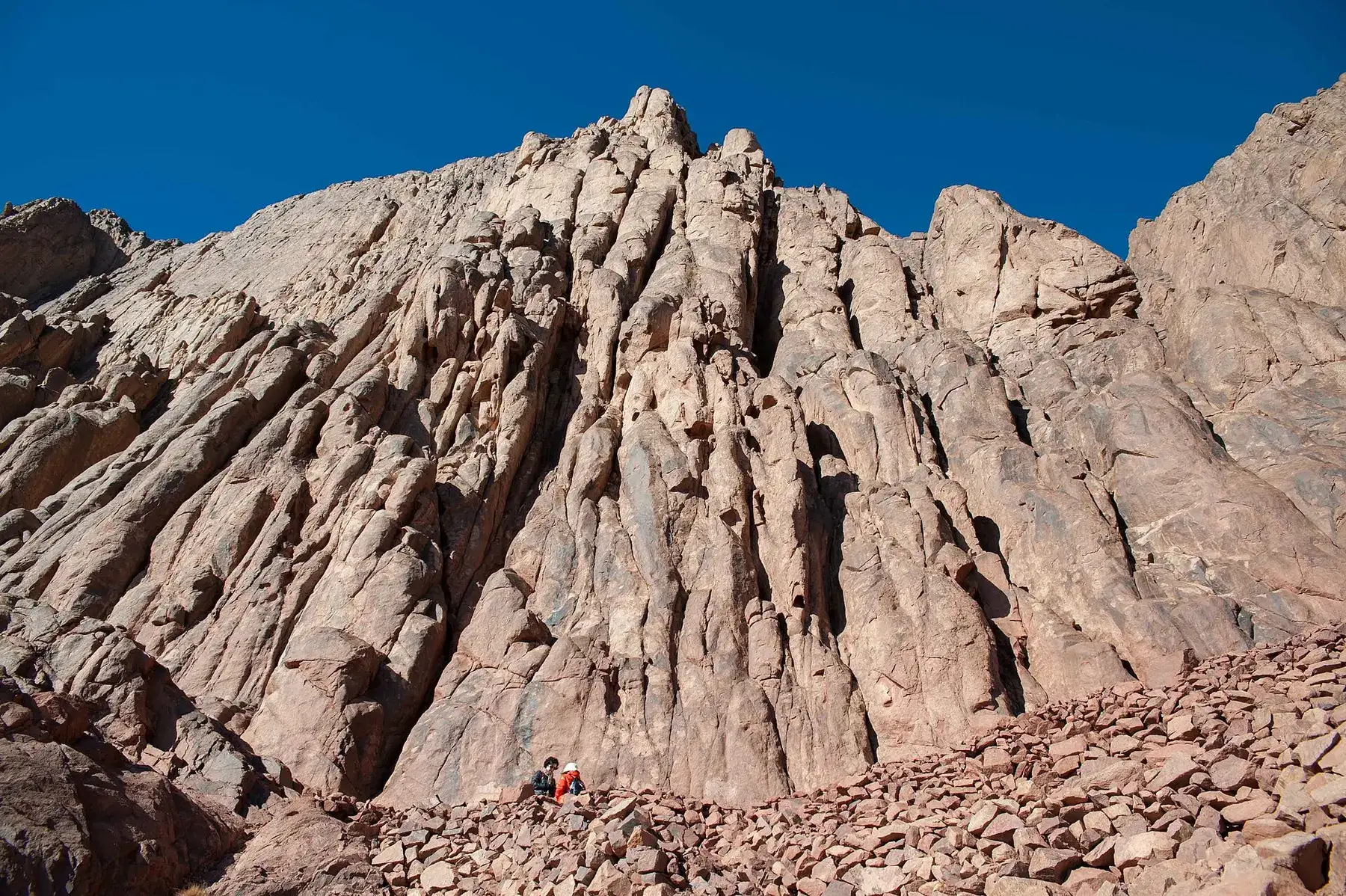
About 70 km north-west of Hurghada lies Mons Porphyrites, Gebel Dokhan, the centre of Rome's quarrying in the Eastern Desert. An inscription records that its stone was found by a certain Gaius Cominius Leugas, a Roman field geologist in all but name, on 23 July AD 18. What he found was purple rock. Purple had long been worn as a mark of nobility around the Mediterranean, and David Peacock suggests that the find would have interested the emperor personally. Quarrying began under Tiberius and seems to have lasted into the late fourth century, possibly the early fifth. It needed food supplies, wells, forts for the soldiers and villages for the workers, and Peacock reports that the operation has been called, with some justification, the most remarkable manifestation of Roman activity anywhere in the empire. About 50 km further south, Mons Claudianus supplied a grey granodiorite used mainly for columns, loaded onto carts for the 120 km journey across the desert to the Nile.
Closer to town, about 20 km north of Hurghada, stand the remains of a late Roman fort at Abu Sha'ar, whose walls were built of gypsum and anhydrite from outcrops along the coast.
Sharm El Sheikh
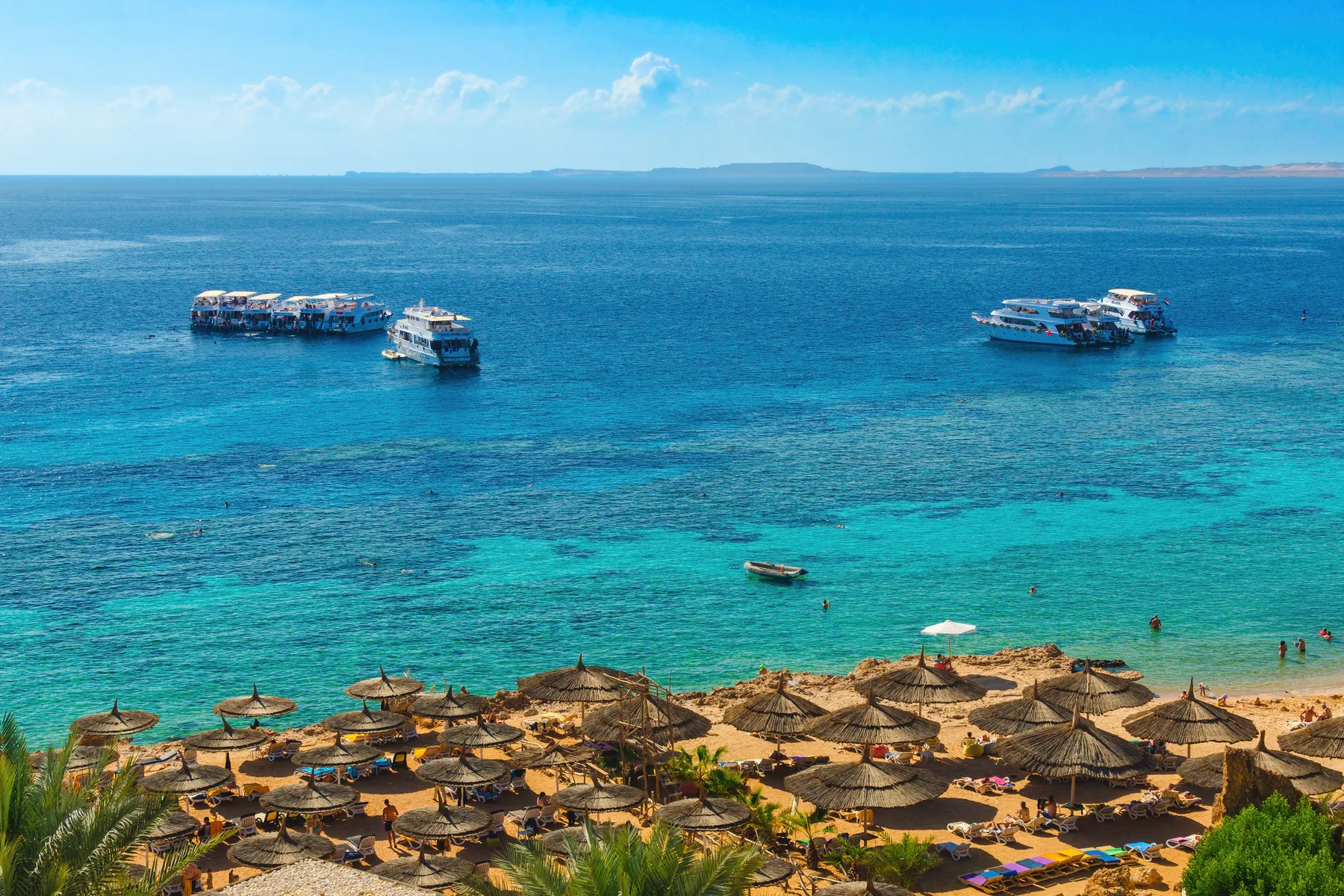
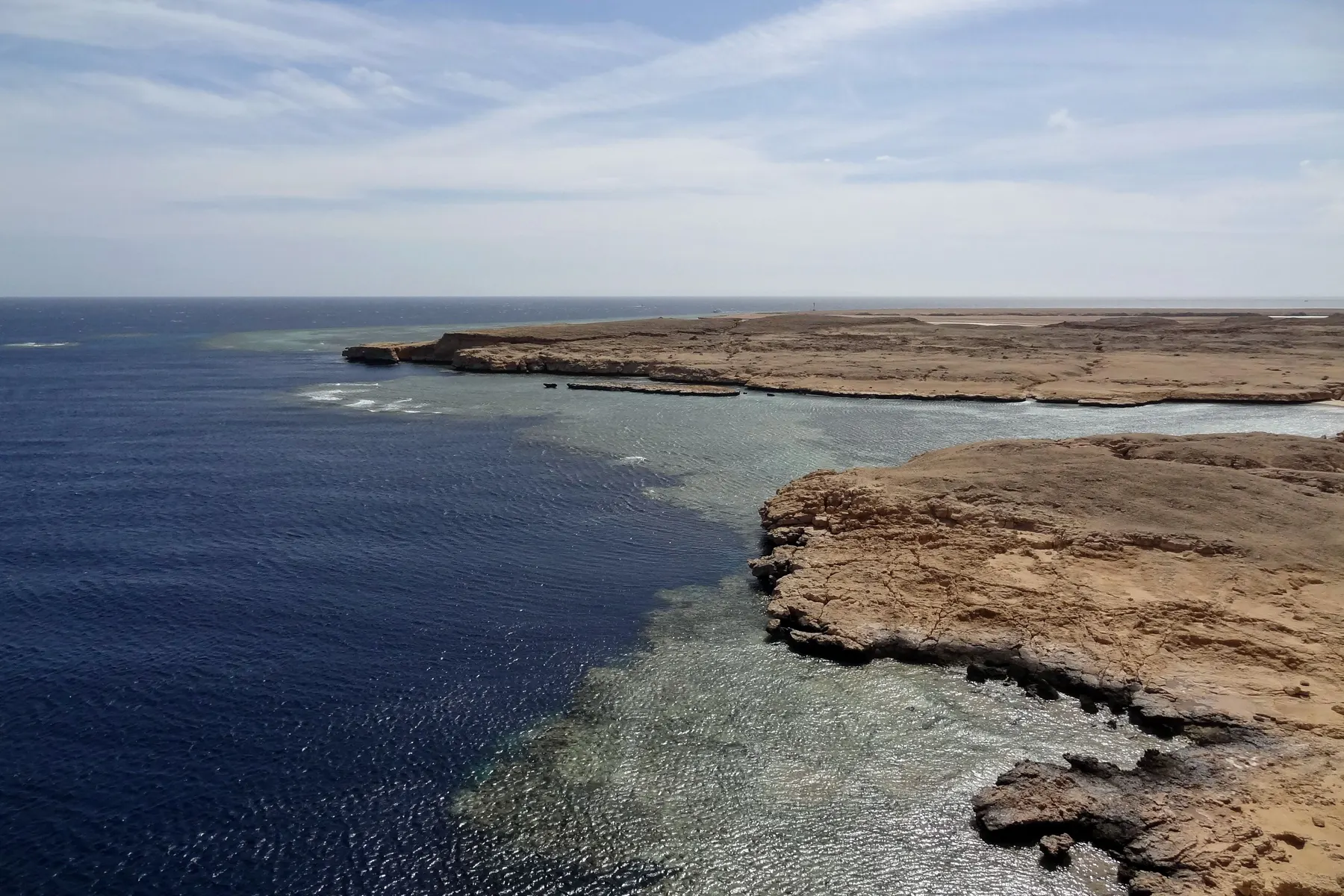
Sharm el-Sheikh sits at the southern tip of Sinai, between Ras Muhammad National Park and the Nabq Protectorate. The Egyptian Tourism Authority dates its arrival on the tourist map to the 1980s, when it was visited mostly by divers drawn to its coral reefs and empty beaches. Four decades later it is a full city of resorts, and its conference halls have hosted so many international peace summits that it is also called "the City of Peace".
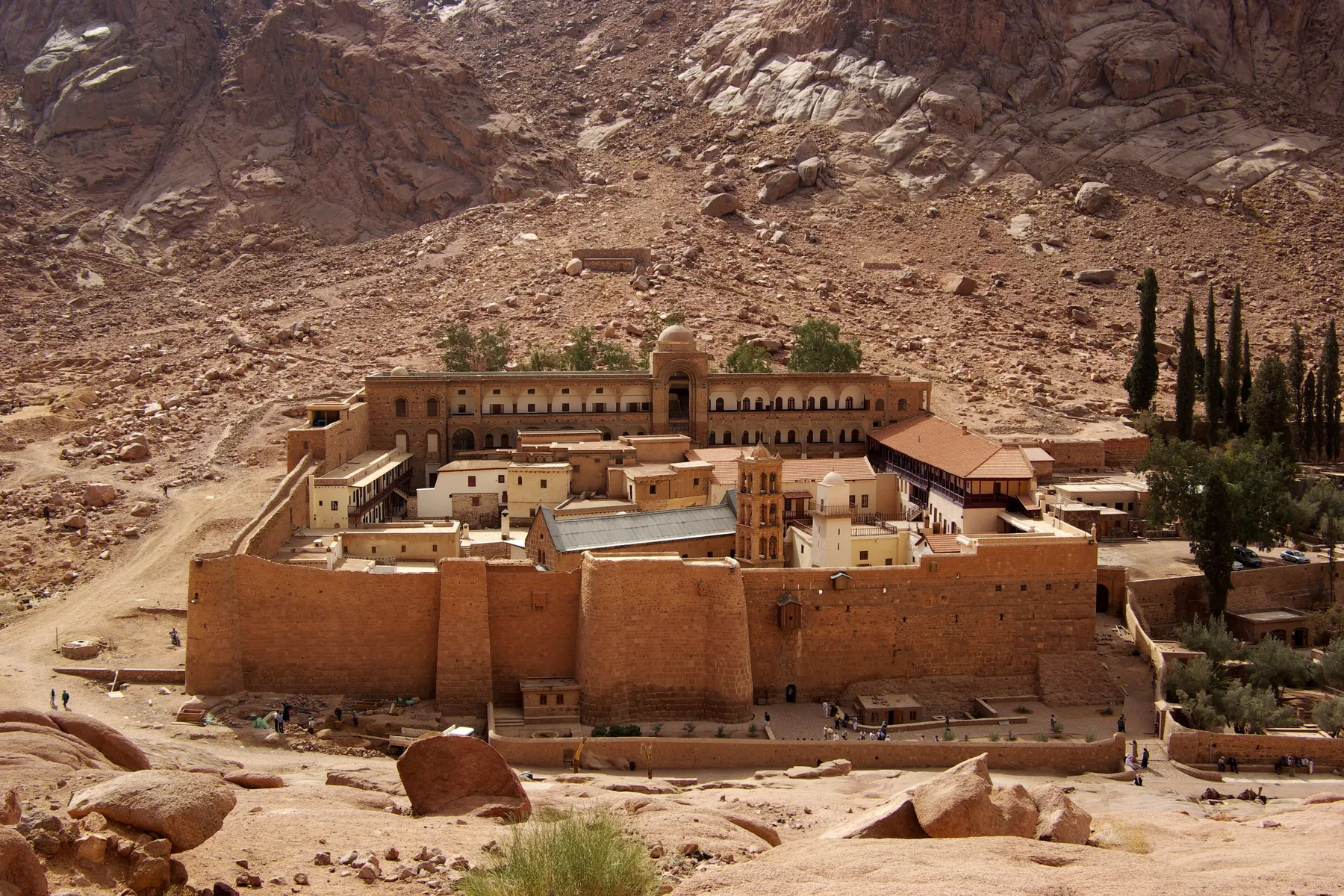
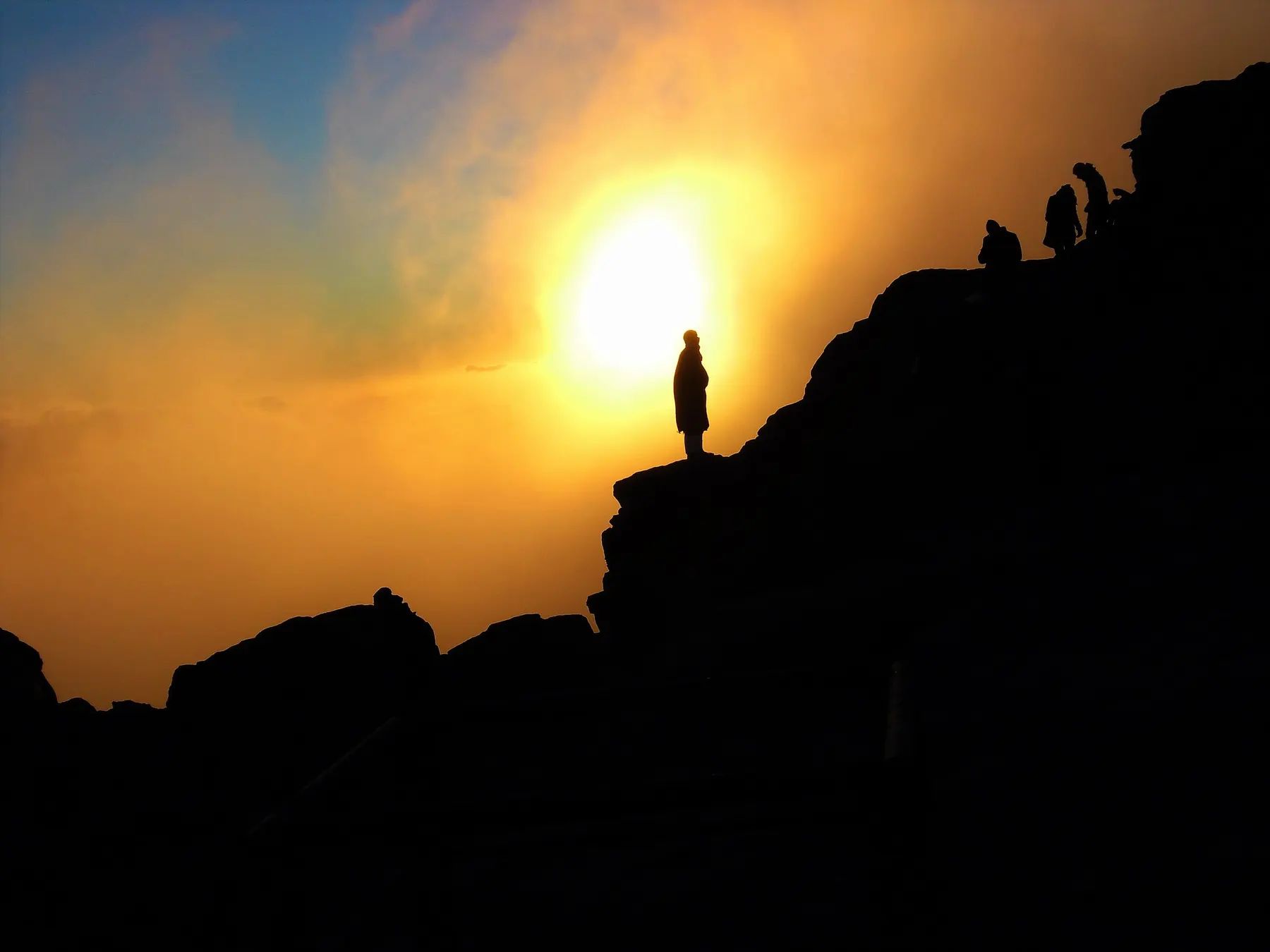
The sea is still the reason to come. The tourism authority's own suggestions are the reef by boat or from the shore, the protected areas of Sinai, a boat trip to White Island off Ras Muhammad, which shows only at low tide, and a sunrise climb of the mountain at St Catherine.