The story here
Abu Simbel, before you arrive.
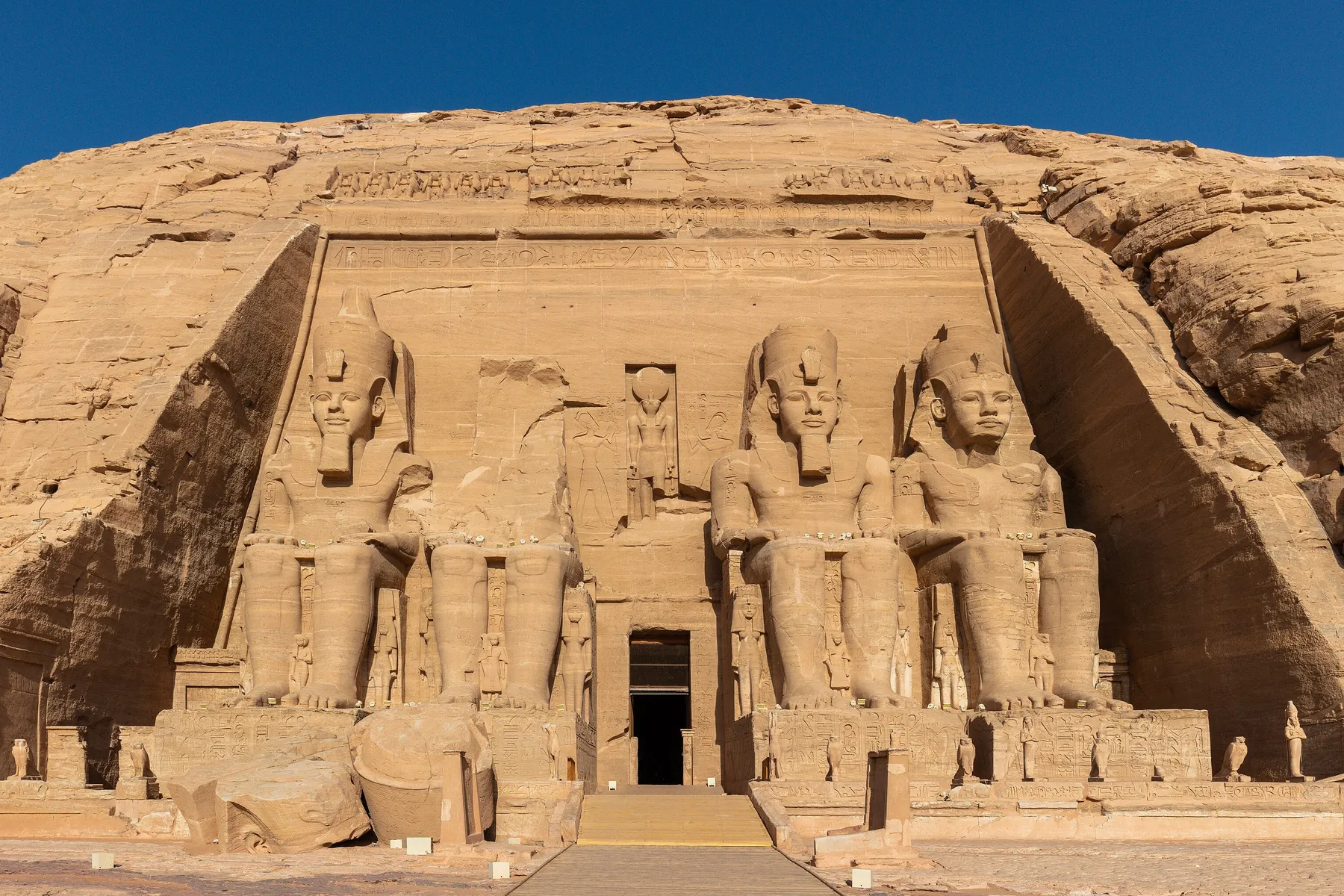
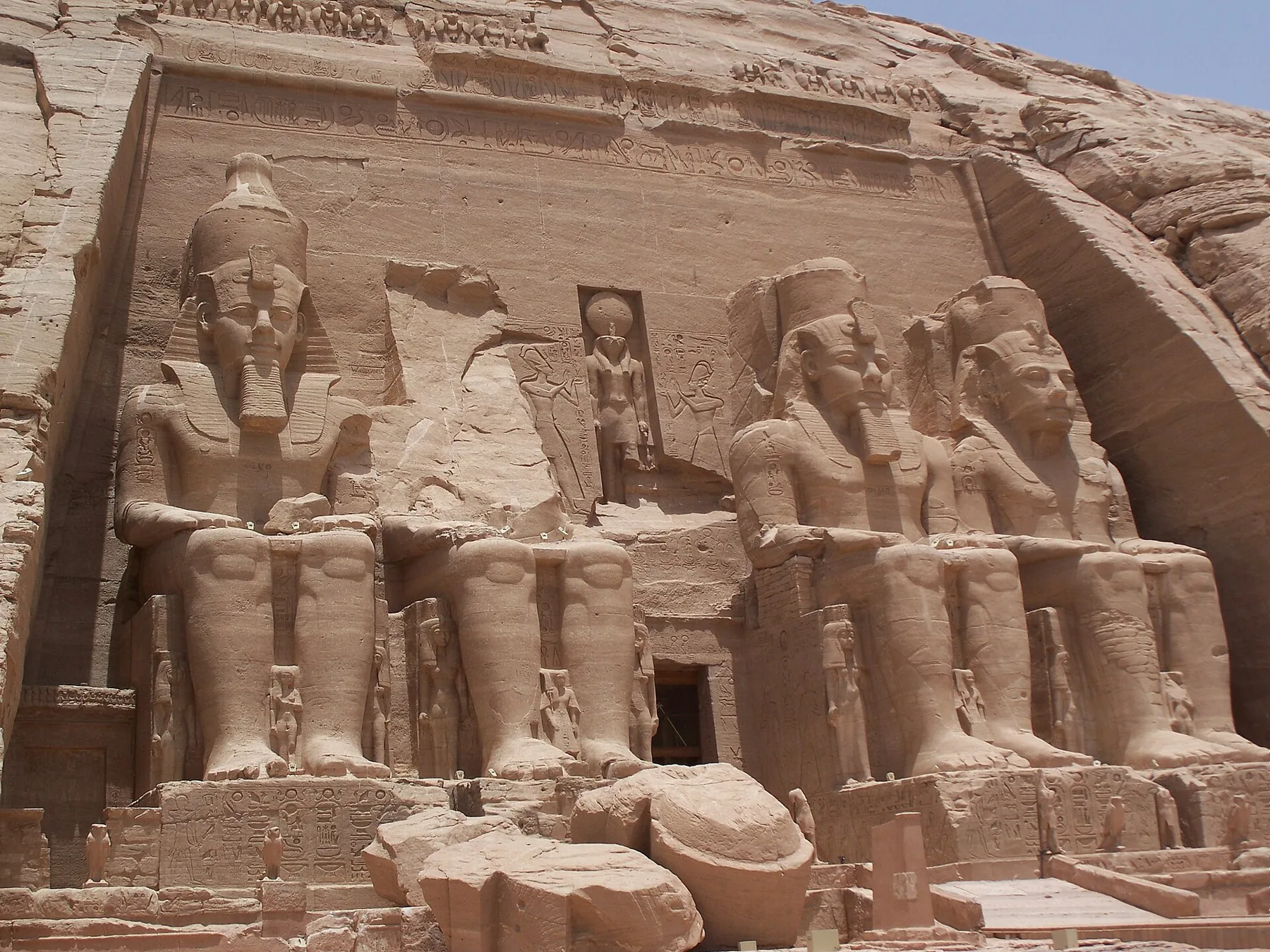
Abu Simbel is a statement of power made at the edge of an empire, and a monument that survived only because it was moved. Ramesses II had two temples cut into the rock above the Nile in Lower Nubia, at a time when Egyptian rule reached much further south: Upper Nubia, from the Second to the Fourth Cataract, was governed as the province of Kush.
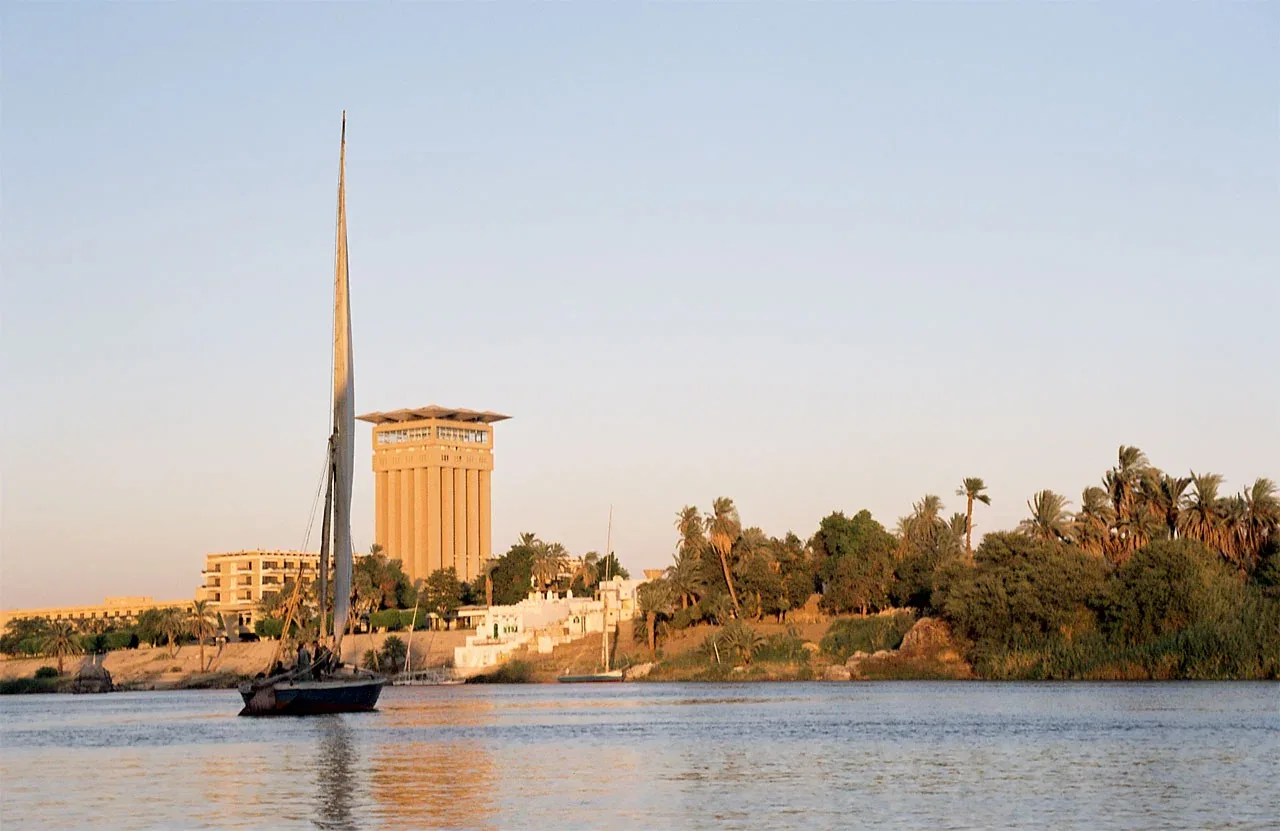
The Abu Simbel landmark page follows both stories: the Great Temple, with its four seated colossi of the king above rows of foreign captives, and the Small Temple, where Nefertari's statues stand as tall as her husband's; then the rescue. Between 1964 and 1968, as the lake behind the Aswan High Dam rose, both temples were dismantled and rebuilt on higher ground. The water that made the move necessary is Lake Nasser, which also covered much of ancient Nubia's archaeology.