What it is
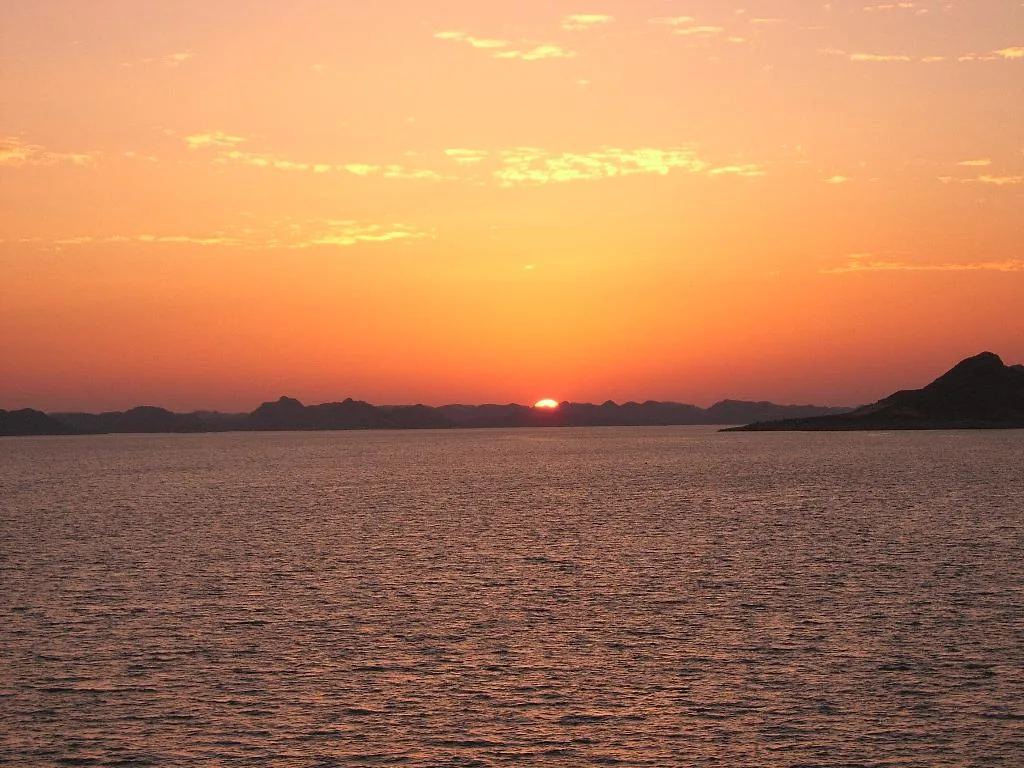
The lake behind the Aswan High Dam, and an archive of ancient Nubia that nobody can visit. Most people see it on the way to Abu Simbel, and it is worth knowing, as you fly or drive beside it, what lies under the water.
History
When the High Dam was built in the 1960s, the new lake threatened the temples of Lower Nubia. An internationally coordinated programme dismantled many of them and moved them to higher ground; others were given to the countries that had helped. The temple of Dabod now stands in Madrid. The small temple of Dendur, built by the emperor Augustus, is in the Metropolitan Museum of Art in New York. Kalabsha, the largest free-standing temple of Lower Nubia, was taken down in 1962–63 and its 13,000 blocks rebuilt just south of the dam. Abu Simbel and Philae were moved in the same campaign.
The rescue also produced knowledge. Our understanding of prehistoric Nubia is comparatively good because of the excavations carried out in the 1960s, before the area was flooded.
Much could not be moved. The mud-brick fortresses of the second cataract, which record the history of relations between Egypt and Kush, were only partly excavated before they went under. One of them, Buhen, was so well preserved that it stood comparison with the castles of the Middle Ages; Toby Wilkinson calls its loss one of the saddest in the history of Egyptian archaeology. Faras, with a destroyed temple of Tutankhamun and a rock-cut chapel of Hathor, has been under the lake since 1964.
What you actually see
Water to the horizon, desert shores and very little else. That emptiness is the point. The Nubian Museum in Aswan documents the international rescue alongside traditional Nubian customs; in our judgement it is the best way to see what the lake covers.
Practical
The lake is not a single site and has no official visitor page in the Ministry of Tourism and Antiquities catalogue. Most travellers see it on the road or flight to Abu Simbel, where the relocated temples stand on its shore.