Was das Museum bietet
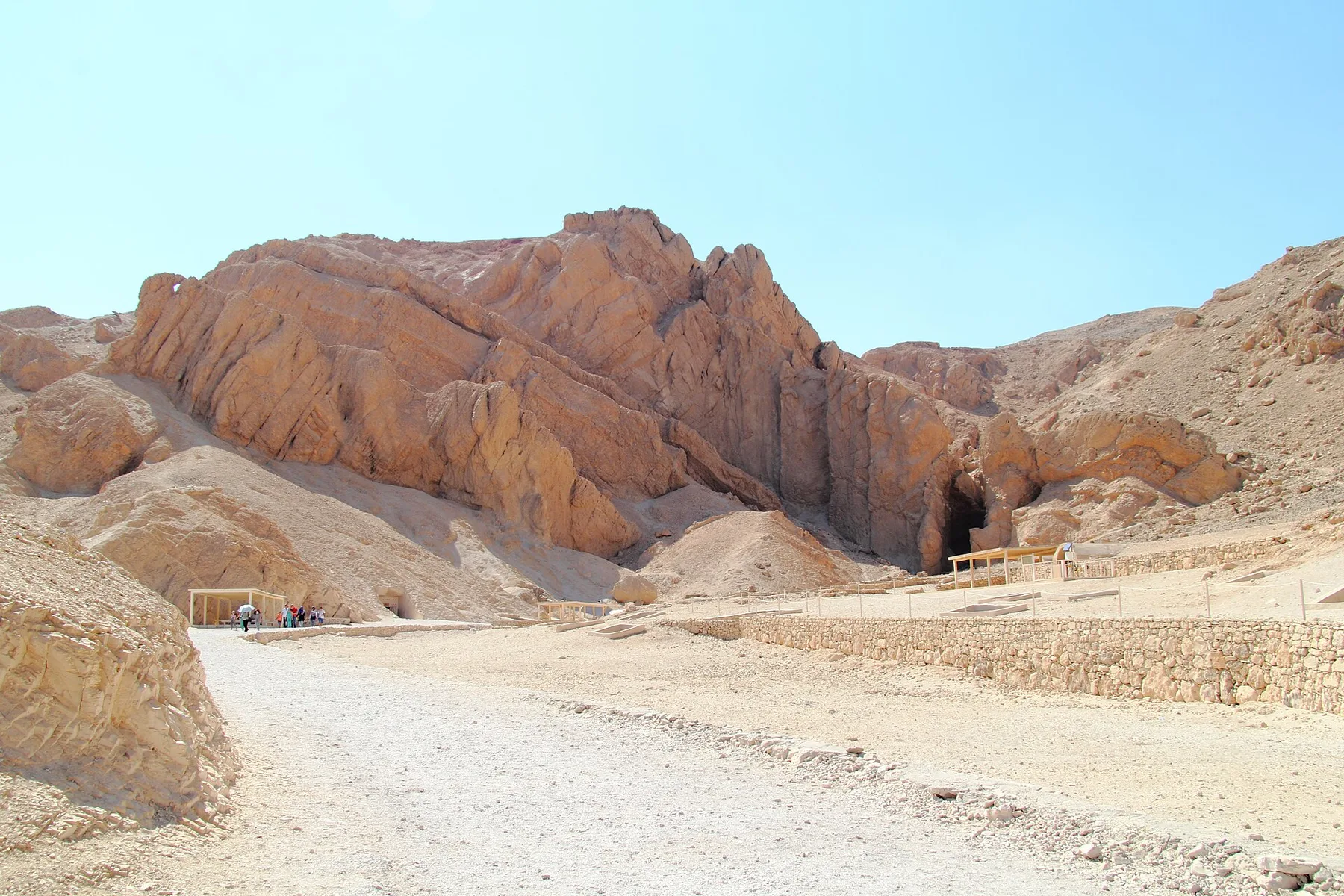
The Valley of the Queens is a desert valley on Luxor's West Bank where members of the New Kingdom royal family were buried: queens, princes and princesses. The Ministry of Tourism and Antiquities lists its tombs among the monuments of Ancient Thebes and its Necropolis, added to the World Heritage List in 1979.
Its most famous tomb belongs to Nefertari, the first and favourite royal wife of Ramesses II. Nicholas Reeves and Richard Wilkinson call it the finest and most beautifully decorated tomb of the whole necropolis.
The question to carry in: what did a royal family expect of eternity when the king was not the one being buried?
History
The valley served the families of the kings buried in the Valley of the Kings. Under Ramesses III the practice is clear. His sons were not buried together in one gallery tomb in the royal valley, as the sons of Ramesses II had been, but in separate tombs of their own in the Valley of the Queens.
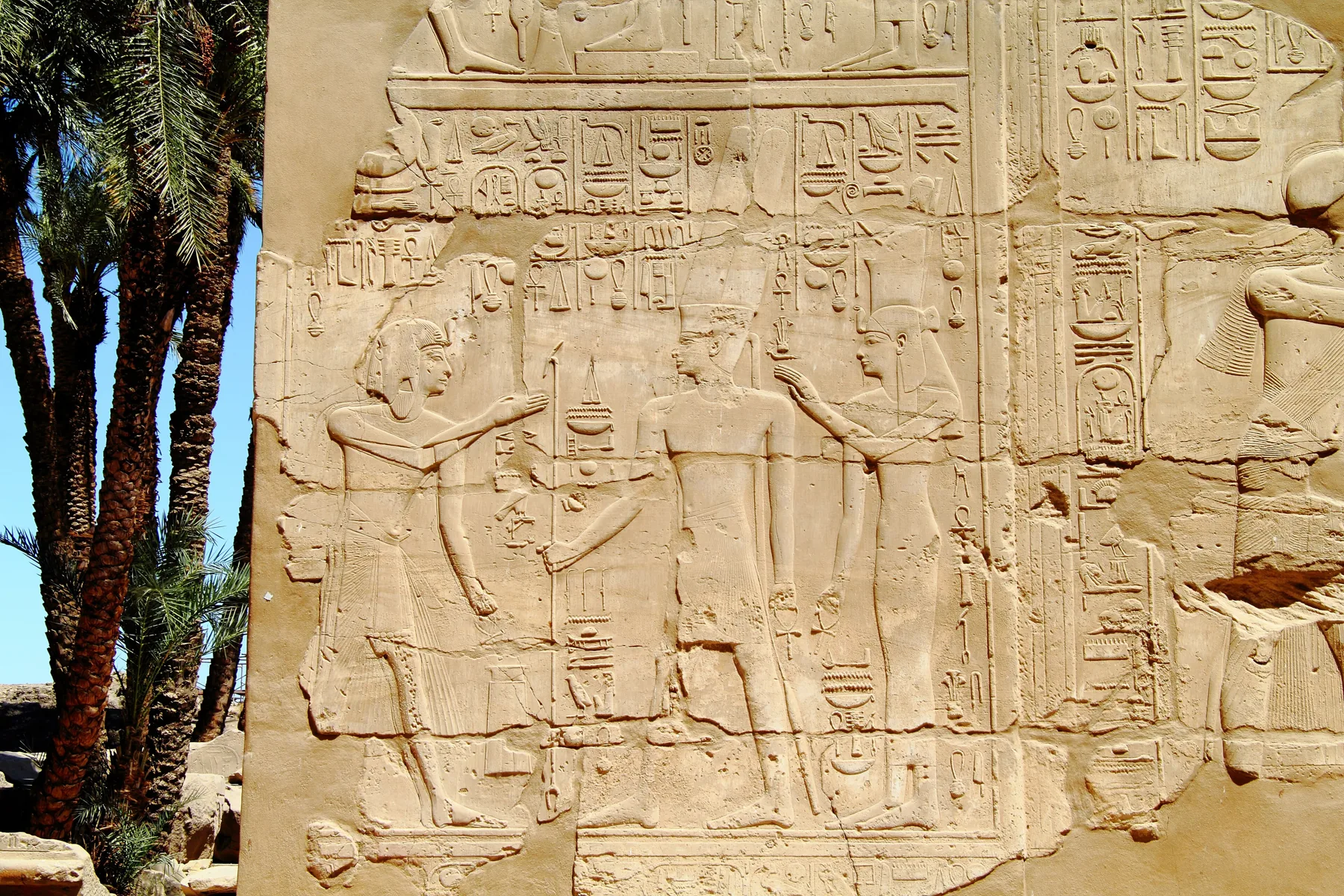
One of those sons was Prince Amenherkhepeshef. In his tomb his father, Ramesses III, appears in full royal regalia beside the boy, who still wears the sidelock of youth. Richard Wilkinson notes that the god Ptah is clearly depicted in the monument Ramesses III made here for his son.
Nefertari's tomb was found in 1904 by the Italian mission led by Ernesto Schiaparelli. In 1986 the Getty Conservation Institute and the Supreme Council of Antiquities began restoring it, and it was then opened to a limited number of visitors. Writing in 1996, Reeves and Wilkinson set that well-publicized restoration against the conservation only then beginning in the Valley of the Kings.
What you actually see
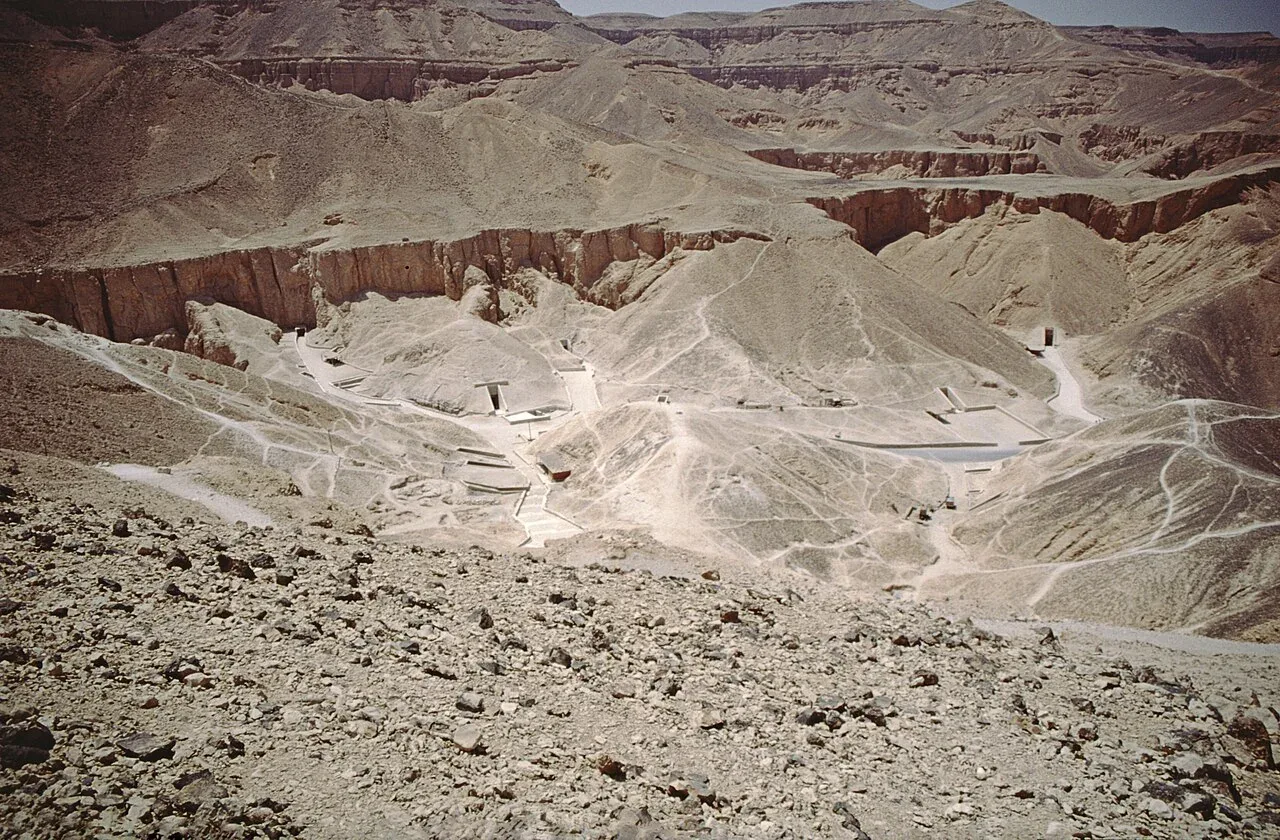
The tombs are cut into the foot of the cliffs on either side of the path, as in the photograph. Inside Nefertari's tomb, Isis leads the queen gently by the hand, and the queen stands before the throne of Osiris, ruler of eternity. One image says the most about how the Egyptians imagined the night journey of the dead: a ram-headed mummy, labelled both "Re resting in Osiris" and "Osiris resting in Re". The sun and the god of the dead are, for that moment, one.
Practical
The Valley of the Queens has no page of its own in the Ministry of Tourism and Antiquities' catalogue of ticketed sites, so we do not publish a ticket price for it.
On 12 November 2024 the Ministry reported that Nefertari's tomb had been closed since March that year, to monitor humidity and to assess reopening it under controlled conditions. We found no later reopening notice from the Ministry on 17 October 2026. Check whether the tomb is open before you build a visit around it.
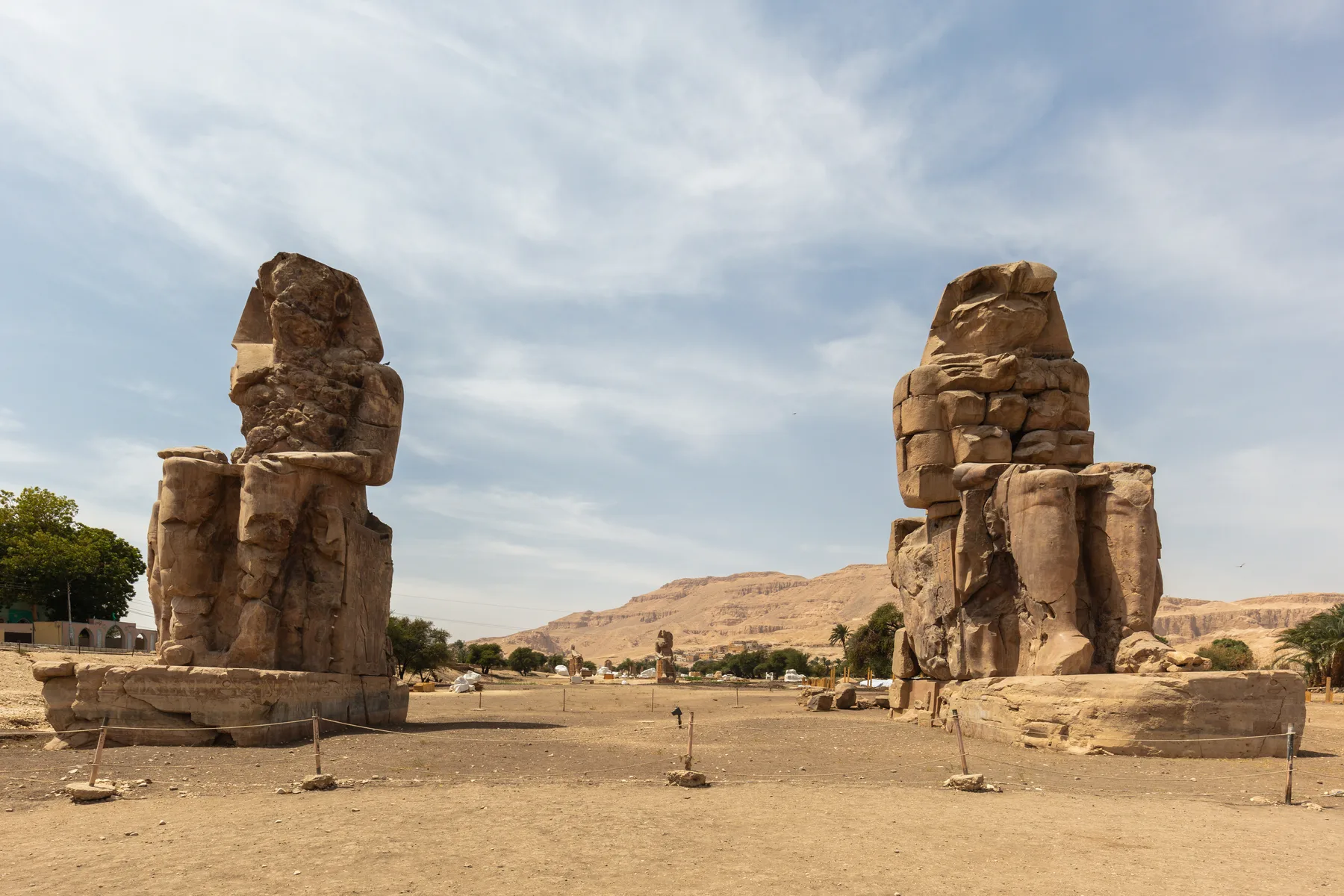
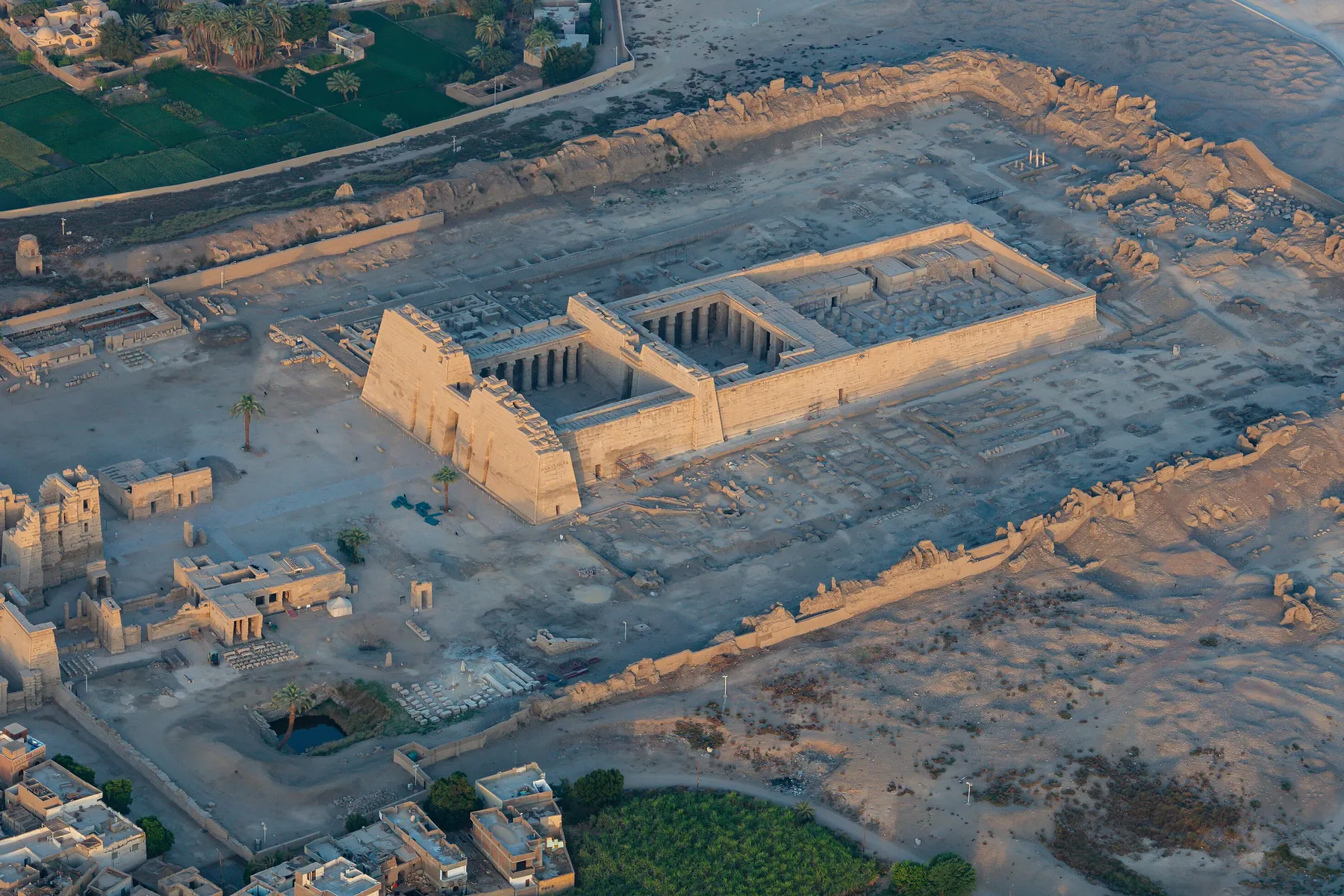
In our judgement the valley pairs naturally with Medinet Habu, the temple of Ramesses III, whose sons are buried here.
Eintritt, Öffnungszeiten und Planungstipps
- Eintrittskarten für das Tal der Könige
- Offizielle Preise, empfehlenswerte Gräber und die beste Besuchszeit.
- Eintrittskarten und Öffnungszeiten der Stätten
- 15 bedeutende Stätten in einer datierten Tabelle.
- Von Kairo nach Luxor
- Flug, Schlafwagen, Tageszug oder Straße mit Zeiten und Preisen.
- Von Luxor nach Assuan
- Kreuzfahrt, Zug oder Straße über Edfu und Kom Ombo im Vergleich.