The New Kingdom hid its kings in the Valley of the Kings. This tour shows who did the hiding: the officials who ran the state, the village of the craftsmen who cut the tombs, and the temple where those craftsmen demanded their pay.
Stop 1
Hotel pickup in Luxor
Your guide and driver collect you and cross to the West Bank.
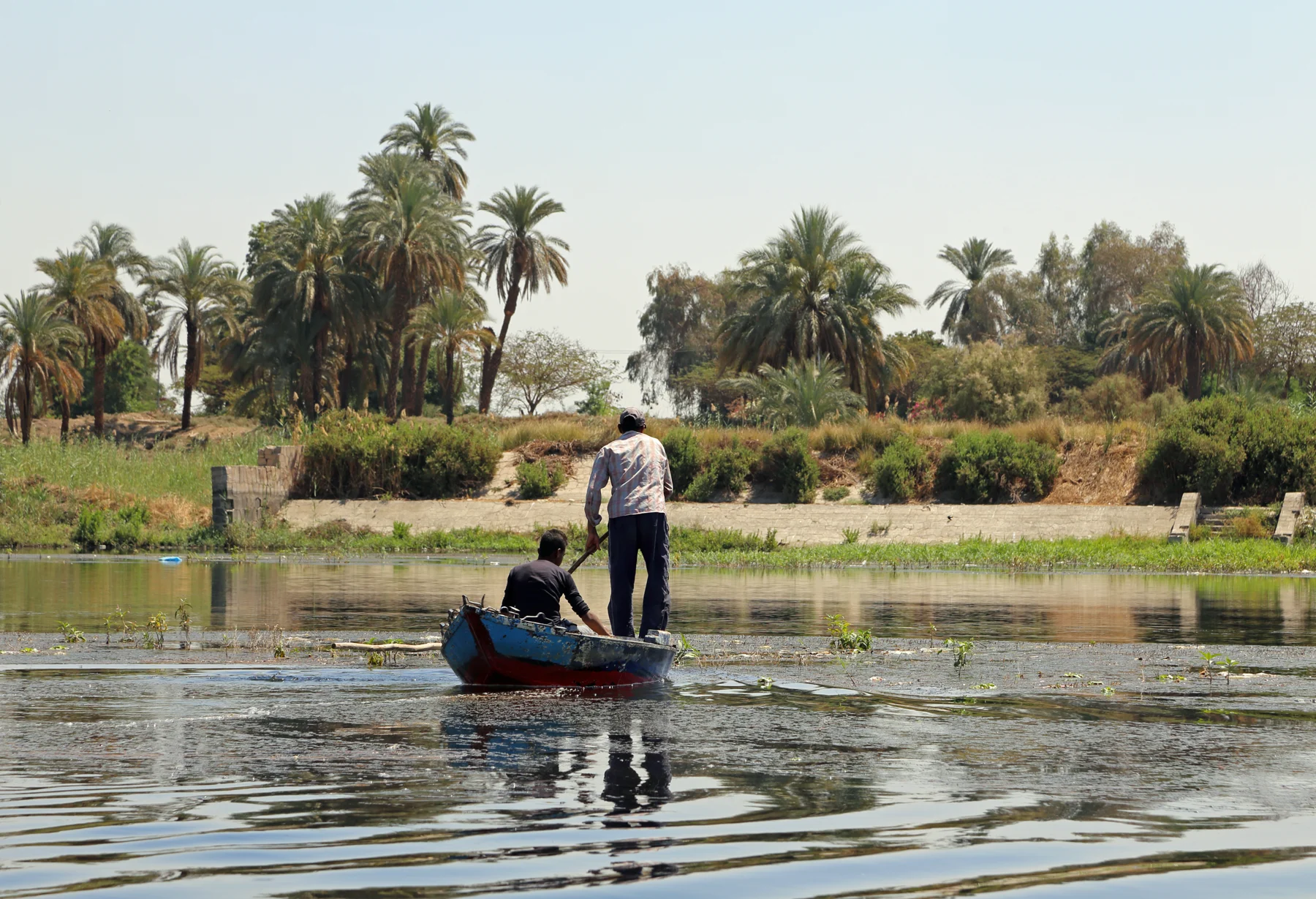
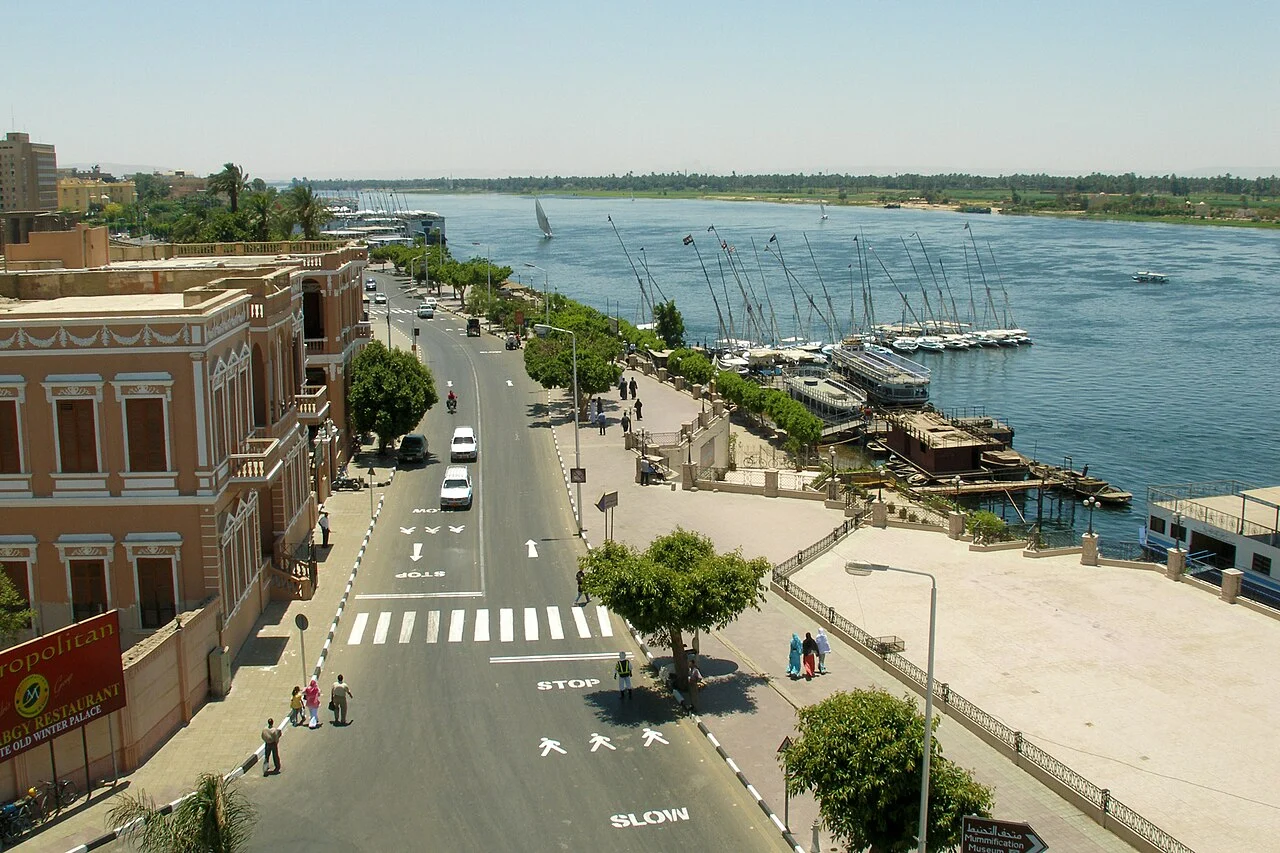
Luxor's river setting; this does not depict a contracted transfer.
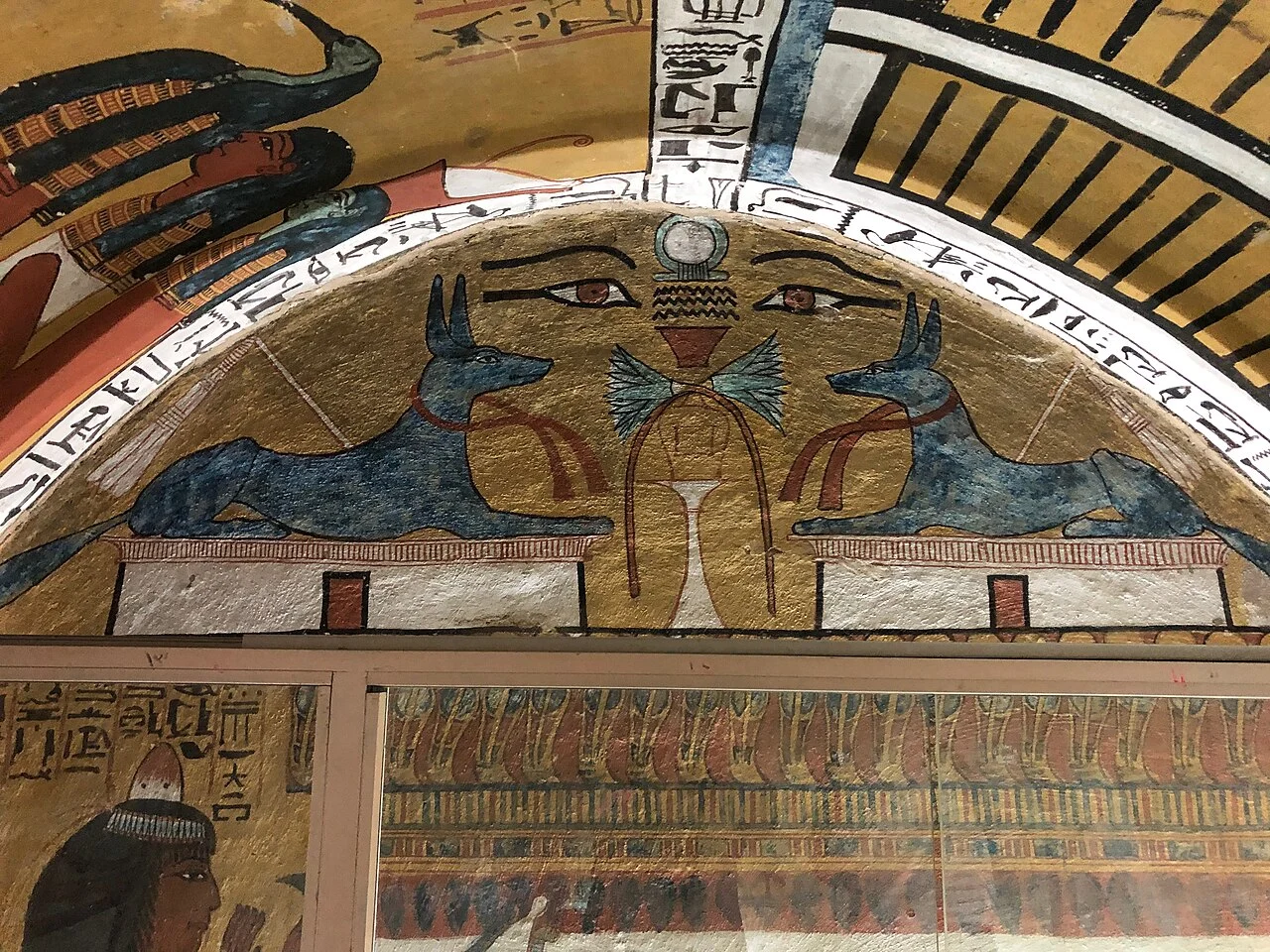
Two painted tombs of the officials who served the kings, those of the vizier Rekhmire and the mayor Sennefer when open on the day. Rekhmire's walls show revenues arriving from the provinces and the king's charge to a new vizier.
The walled street of the tomb-builders' houses, with over 30 foreign names known among its people, many of them literate. Then two of their own tombs on the hillside, those of Sennedjem and of Inherkhau when open.
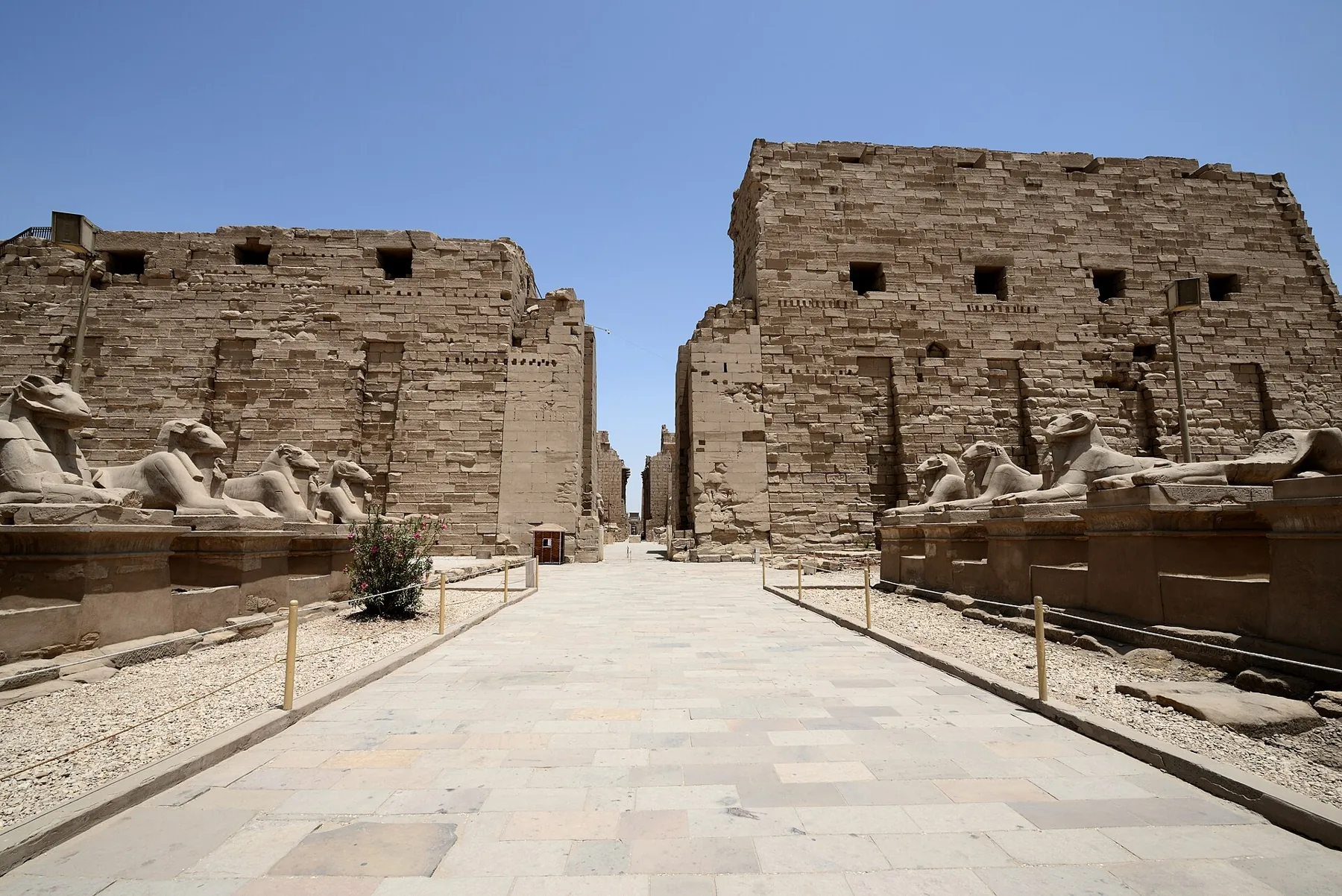
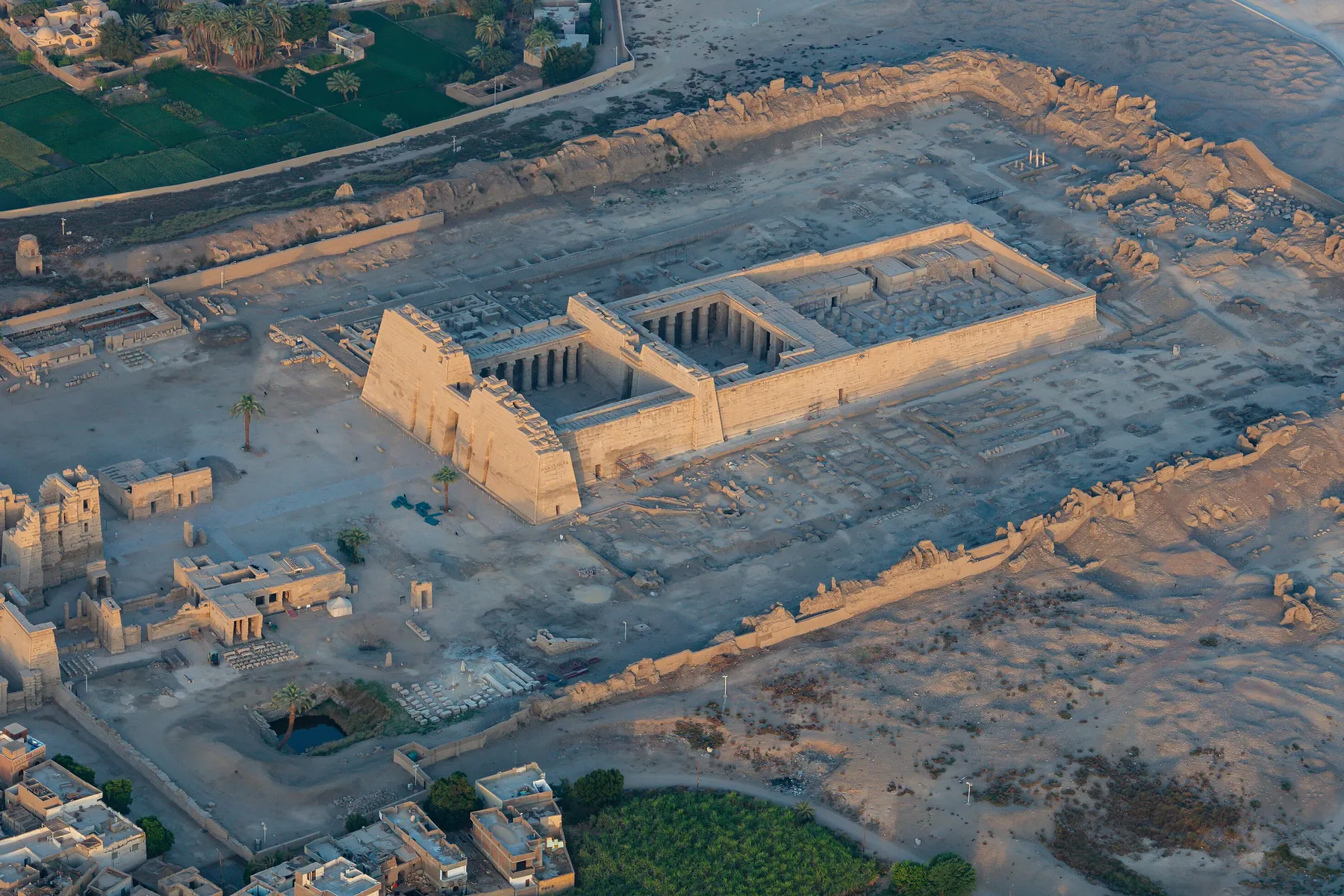
Through the fortress-like High Gate into Ramesses III's temple: the massive first pylon, the battle scenes on the outer walls, and the court where soldiers count the enemy dead.
Day and time labels describe the planned sequence, not confirmed departures. Your written quote confirms pickup, flights, sailing and return times for your date.
The kings' tombs are about eternity. These are about the job.
Rekhmire was vizier to Thutmose the Third, the man who ran the country for him. His walls show the taxes arriving from the provinces.
“it is not sweet, it is bitter as gall”
Thutmose III on the office of vizier, at Rekhmire's installation
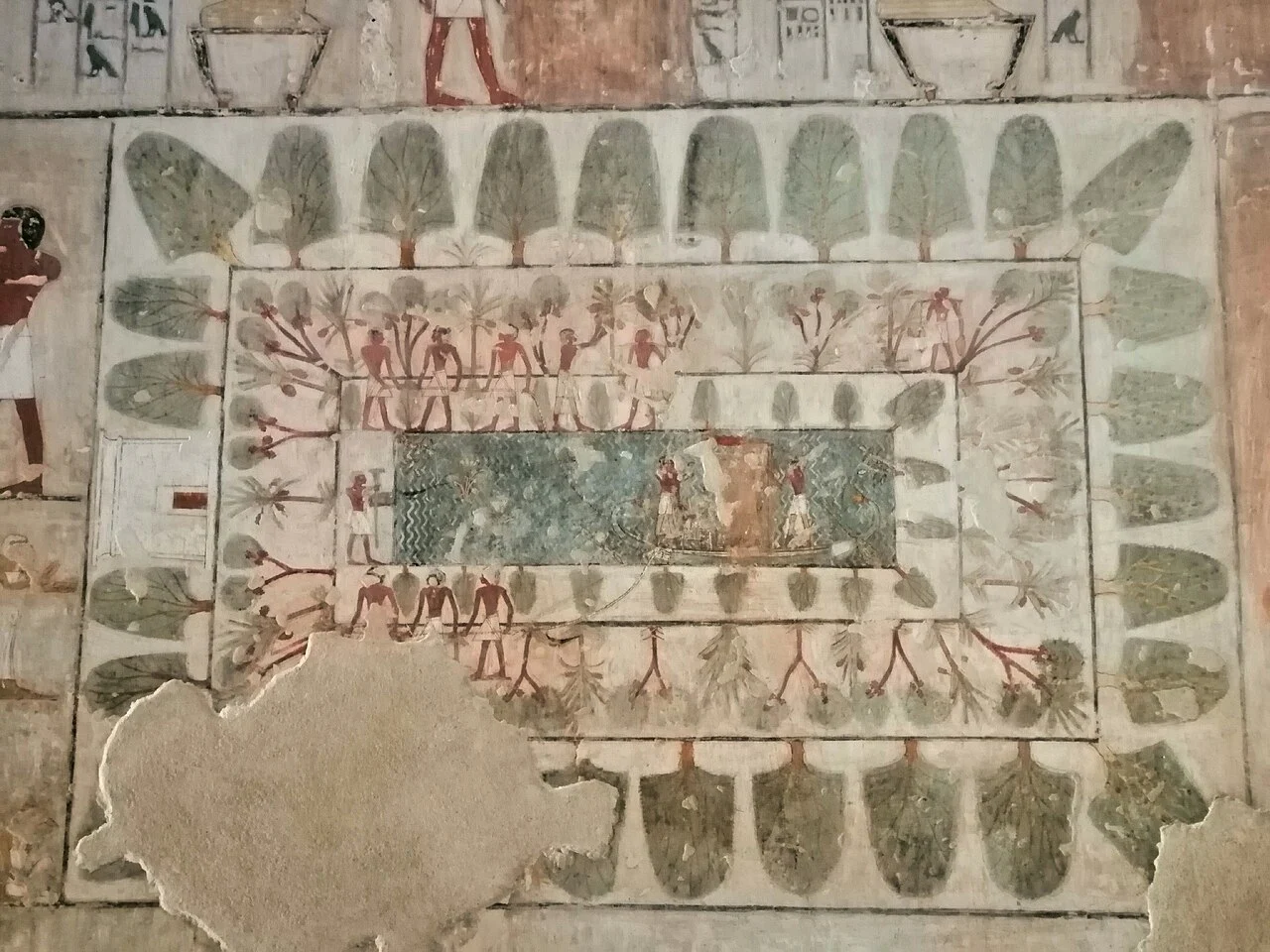
Look closer at his garden: a pool drawn as if from above, a boat towed across it, and the trees laid flat all around.
Which tombs open changes; your guide chooses from those open that day.
Look for: Rekhmire's garden pool, with the boat on the water and the trees round the edge.
Sources: Miriam Lichtheim, Ancient Egyptian Literature (2019 edition), vol. II, The Installation of the Vizier; Ian Shaw and Elizabeth Bloxam (eds.), The Oxford Handbook of Egyptology (2020), p. 784; Jan Assmann, Death and Salvation in Ancient Egypt (2005), p. 195.
In a dry fold of the hills lived the people who dug and painted the royal tombs. They were the Servants of the Place of Truth.
Two gangs, the Right Side and the Left. During the working week they slept in a camp on the ridge, and came home on rest days.
So many of them could write that thousands of their notes survive, on flakes of stone and scraps of papyrus.
In Sennedjem's tomb, a tomb-worker and his wife are still harvesting their grain in the fields of the afterlife.
Sources: Nicholas Reeves and Richard H. Wilkinson, The Complete Valley of the Kings (1996), pp. 22–23; Ian Shaw and Elizabeth Bloxam (eds.), The Oxford Handbook of Egyptology (2020), pp. 337, 815.
Ramesses the Third's temple is the best preserved in Thebes. Its gate is built like a fortress.
In his twenty-ninth year, the grain pay is eighteen days late. The tomb-workers put down their tools and march.
We are hungry and thirsty; we have no clothes, no oil, no fish, no vegetables. Send word to Pharaoh.
The tomb-workers in Year 29 of Ramesses III, from the Turin Strike Papyrus (paraphrased)
They sit in at the temples and refuse to leave. The rations come. When the pay fails again, they strike again.
Look for: In the first court, soldiers count the hands of the enemy dead; outside, the war against the Sea Peoples.
Sources: Richard H. Wilkinson, The Complete Temples of Ancient Egypt (2000), pp. 193–197; Toby Wilkinson, The Rise and Fall of Ancient Egypt (2011), pp. 243–245; Nicholas Reeves and Richard H. Wilkinson, The Complete Valley of the Kings (1996), p. 23.
Times of day set the scene; your written quote confirms the timetable. Facts come from the sources named under each chapter, and where we give an opinion, it reads as ours.
Why go
Who loves this tour
Most visitors to Luxor's West Bank see the tombs of kings. This private half-day tour shows you the people who served them, and it tells one story from beginning to end.
You start in the Tombs of the Nobles, the burials of the officials who ran Egypt for the pharaohs. Rekhmire was vizier under Thutmose III, and the king's charge at his installation is written on the wall of his tomb: the office, it warns, is bitter as gall. Sennefer, mayor of Thebes under Amenhotep II, has one of the most famous painted burial chambers in the necropolis.
Then you walk into Deir el-Medina, the village of the men who cut and painted the royal tombs, among the best-preserved ancient settlements in Egypt. They called themselves the Servants of the Place of Truth. Their houses still line the street, thousands of their letters, notes and accounts have survived, and on the hillside above they cut their own tombs: Sennedjem's shows him and his wife planting and harvesting grain and flax.
You finish at Medinet Habu, the temple and fortress of Ramesses III. In his 29th year, when their grain was late, these same workmen marched here with a formal complaint and then stopped work, in what historians call the first known labour dispute. Its walls show the king's battles against the Libyans and the Sea Peoples, and it is the best preserved of all the royal mortuary temples of Thebes.
A guide and driver collect you from your Luxor hotel and take you back, and entrance fees are included.
Our tip
Take this after the Valley of the Kings, not instead of it: it makes more sense once you have seen the royal tombs these people built.
Also consider: First time in Luxor? The West Bank tour covers the Valley of the Kings and Hatshepsut's temple.
The highlights
The painted tombs of the vizier Rekhmire and the mayor Sennefer
Deir el-Medina, the village of the royal tomb-builders, and their own tombs
Medinet Habu, Ramesses III's temple and fortress
The story of the first known strike, told where it happened
The details
What is included
Included
Hotel pickup and drop-off in Luxor
Air-conditioned transport with driver
Professional Egyptologist guide
Entrance fees for the sites in the itinerary
Taxes and service charges
Not included
Food and drinks
Tips
Insurance
Personal spending
Places you visit
Tombs of the Nobles
Tomb of Rekhmire
Tomb of Sennefer
Deir el-Medina
Valley of the Workers
Tomb of Sennedjem
Tomb of Inherkhau
Medinet Habu
Temple of Ramesses III
Before you go
Good to know
Meeting point
Your hotel in Luxor
Best time to go
Early morning, before the West Bank heats up
Entrance tickets
Included: entrance fees for the sites in the itinerary
Optional extras
Other tombs with their own tickets
Your price
Set in your written quote for your party, dates and pickup, with the payment and cancellation terms.
Details checked
Questions
Before you ask
Does this tour include Nefertari's tomb?
No. The tomb of Nefertari in the Valley of the Queens has been closed to visitors since March 2024, and no reopening date has been announced. This tour visits tombs that are open.
Who lived at Deir el-Medina?
The workmen who cut and decorated the royal tombs in the Valley of the Kings, and from the Nineteenth Dynasty the Valley of the Queens, with their families. They worked in two gangs, the Right Side and the Left Side, slept at a camp on the ridge during the working week, and came home for their days off. The village was abandoned when royal burials in the valley ended.
What was the strike?
In the 29th year of Ramesses III, about 1165 BC, the workmen's grain rations were late and short. The scribe Amennakhte took their complaint to the administrative complex at Medinet Habu, and later that year the two gangs stopped work and sat in at the royal mortuary temples until they were paid. Nicholas Reeves and Richard Wilkinson call it the world's first known labour dispute.
Which tombs will we see?
The tour is planned around the tombs of Rekhmire and Sennefer among the nobles, and of Sennedjem and Inherkhau at Deir el-Medina. The antiquities authorities decide which tombs are open on a given day, and your guide confirms them the day before.
Can we add the Valley of the Kings?
Yes, as a full day. Ask in your request and the quote will show the combined day.
Local tips matched to this route
Complete this day
We place these around the tour’s real timing. Anything that cannot fit cleanly stays an untimed request until we confirm it.
Karnak and the West Bank
A photoshoot in Luxor's temples
A photographer who knows Karnak's columns and quieter corners, and the hours when the light comes through them.
Late afternoon · About 2 hours. At opening time or in the last hours before closing.
We confirm the photographer and their portfolio, temple permissions, the edited set and the delivery date.
Forty-five minutes over the West Bank as the sun comes up over the Nile.
Length: About 1.5 hours including transfers
Style: Shared
Easy pace
from USD 119 per person
Deluxe Trips Egypt
Ask for this tour, for your dates.
Send your dates and party size here. We reply with a written quote: the price for your party, what is included and the terms. Nothing is booked until you accept it.
 Karnak and the West Bank